









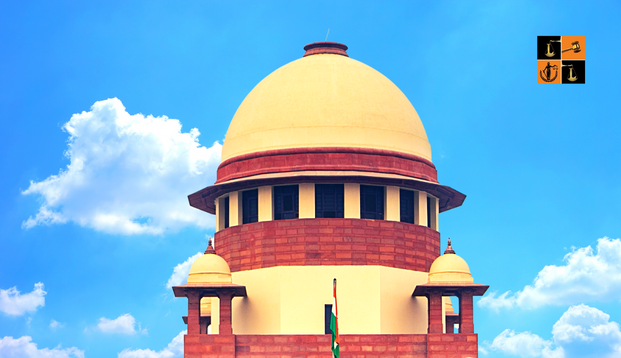
The Supreme Court bench comprising Chief Justice D Y Chandrachud and Justices J B Pardiwala and Manoj Misra issued a notice to the Centre in response to a plea filed by nine opposition parties challenging the Assam delimitation exercise. The Court, however, declined to halt the delimitation process being carried out by the Election Commission (EC) for the state's 126 Assembly constituencies and 14 Lok Sabha constituencies.
The bench expressed that it would not be appropriate to interfere with the ongoing delimitation process at this stage. They stated, "We are not of the view that it would be proper to indict the process."
Nonetheless, the Supreme Court agreed to examine the constitutionality of Section 8A of the Representation of the People Act, 1950, which grants the Election Commission the authority to conduct delimitation of constituencies. Notice was also sent to the EC to respond to pleas challenging the delimitation exercise for Lok Sabha and Assembly seats in Assam.
The opposition parties that filed the plea include Congress, Raijor Dal, Assam Jatiya Parishad, CPI(M), CPI, TMC, NCP, RJD, and Anchalik Gana Morcha. They specifically questioned the methodology adopted by the Election Commission and raised concerns about the proposals notified on June 20, 2023.
During the hearing, senior advocate Kapil Sibal, representing the petitioners, argued that the delimitation exercise in Assam is being carried out with little regard to the rules. He highlighted that the Delimitation Commission should have been led by a retired Supreme Court judge, as is the practice for the rest of the country and was also followed for Jammu and Kashmir.
The plea further contested the provision of Section 8A, which designates the Election Commission as the authority for conducting delimitation in Assam and three other northeastern states. The petitioners argued that this provision discriminates against Assam.
One of the main concerns raised in the plea was the Election Commission's use of different average Assembly sizes for various districts based on population density. The petitioners contended that population density should not influence the delimitation process.
While the Supreme Court refused to stay the delimitation exercise in Assam, it has reserved the constitutional challenge for further consideration. The Court has scheduled the next hearing in the matter to take place after five weeks.
The issue of Assam delimitation has become a focal point for political debates, and the Supreme Court's examination of the matter could have significant implications for the state's electoral representation and political landscape.
Source: Link
Picture Source :




















