









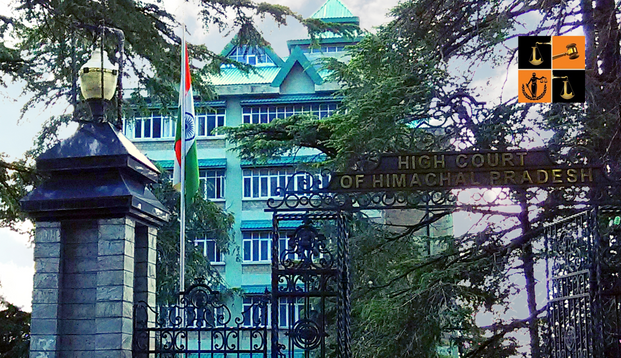
Recently, the Himachal Pradesh High Court held that truthful publication of facts contained in an FIR does not amount to criminal defamation and quashed proceedings initiated against a journalist and a businessman. The Court ruled that complaints made before lawful authorities are protected under the exceptions to Section 499 of the IPC and that fair reporting of such complaints forms part of the freedom of speech and expression guaranteed under Article 19(1)(a) of the Constitution. Significantly, the Court reiterated that “the freedom of making a true report regarding the affairs that are in the public domain is a right that flows from the freedom of speech.”
Brief facts:
The case stemmed from a criminal defamation complaint filed under Sections 500 and 120-B of the IPC, wherein the complainants alleged that a businessman, due to business rivalry, had lodged false police complaints against them and that a journalist subsequently published a newspaper report reproducing those allegations. It was alleged that publication of the report harmed their reputation and lowered their social standing among relatives and acquaintances. After the trial court summoned the accused persons for offences under the IPC, they approached the High Court seeking quashing of the complaint and the summoning order, contending that the news report merely reproduced the contents of an FIR and did not constitute defamation.
Contentions of the Petitioner:
The Petitioners argued that the complaint did not disclose the ingredients of criminal defamation since the impugned news item merely reproduced the contents of an FIR lodged before the police. The Counsel contended that truthful reporting of facts contained in a police complaint cannot amount to defamation, particularly when there was no allegation that the published report was false. The Petitioners further submitted that complaints made before lawful authorities are protected under the exceptions to Section 499 of the IPC and that the journalist could not be held liable merely for reporting the contents of the FIR.
Contentions of the Respondent:
On the other hand, counsel appearing for the complainants contended that the defamatory news item had been deliberately published at the instance of the accused persons to tarnish their image in society. The Respondent argued that repetition of defamatory allegations itself constitutes libel, and the journalist could not escape liability merely because the contents originated from an FIR. The complainants further asserted that the publication had caused humiliation and lowered their social standing among relatives and acquaintances. The Counsel also argued that the complaint was maintainable even in the absence of the newspaper editor since the journalist who authored the report was directly responsible for the publication of the impugned material.
Observation of the Court:
Justice Rakesh Kainthla reiterated, while referring to the case Ashutosh Choubey v. State of Jharkhand, that “Similarly, publishing a newspaper report of facts of lodging of an FIR cannot be said to be defamatory, especially when the FIR has been lodged by the victim herself. It is only news which has been published, especially when there is no allegation that the news is false. Thus, there is no application of Section 500 or Section 501 of the Penal Code, 1860, in this case.”
The Court observed that criminal proceedings can be quashed where the allegations do not prima facie disclose the commission of an offence or where the prosecution amounts to an abuse of process. Referring to the principles laid down in State of Haryana vs. Ch. Bhajan Lal, the Bench reiterated that the High Court can exercise its inherent jurisdiction to prevent misuse of criminal law and secure the ends of justice. The Court noted that the present case required examination of whether publication of a truthful news report based on an FIR could legally amount to criminal defamation. The Bench further clarified that there is no bar under criminal law against filing a joint complaint when the cause of action is common and connected.
The Court further held that complaints made before lawful authorities are protected under the Eighth and Ninth Exceptions to Section 499 of the IPC and, therefore, mere filing of a police complaint cannot automatically constitute criminal defamation. The Bench emphasised that the law protects accusations made in good faith before competent authorities and that even disputed allegations in a complaint would not by themselves attract liability under Section 500 of the IPC. The Court also noted that the impugned news report merely reproduced the contents of the FIR and there was no allegation that the published report was false or fabricated.
The Bench further observed that truthful reporting of matters already in the public domain is protected under the freedom of speech and freedom of the press guaranteed under Article 19(1)(a) of the Constitution. The Court noted that newspapers routinely report registration of crimes, investigations, and court proceedings, which are matters of legitimate public interest.
The Court observed that prosecution for accurate reporting would create a chilling effect on the media and undermine democratic values. Stressing the constitutional role of the press, the Court held that “the freedom of making a true report regarding the affairs that are in the public domain is a right that flows from the freedom of speech,” and termed defamation actions against such reporting as “unhealthy for a democratic setup.”
The decision of the Court:
Holding that both the police complaint and its truthful publication in the newspaper were protected under law, the Court quashed the complaint pending before the Additional Chief Judicial Magistrate, along with the summoning order issued against the accused under Sections 500 and 120-B IPC. The Court ultimately reaffirmed that fair and accurate reporting of facts contained in an FIR, particularly where no falsity is alleged, falls within the protection of free speech and cannot by itself attract criminal defamation.
Case Title: Surinder Sharma Vs. Parveen Kalia & Anr.
Case No.: Cr. MMO No. 622 of 2024
Coram: Hon’ble Mr Justice Rakesh Kainthla
Advocate for the Petitioner: Adv. Piyush Dhanotia
Advocate for the Respondent: Adv. Surinder Saklani
Read Judgment @Latestlaws.com
Picture Source :



















