









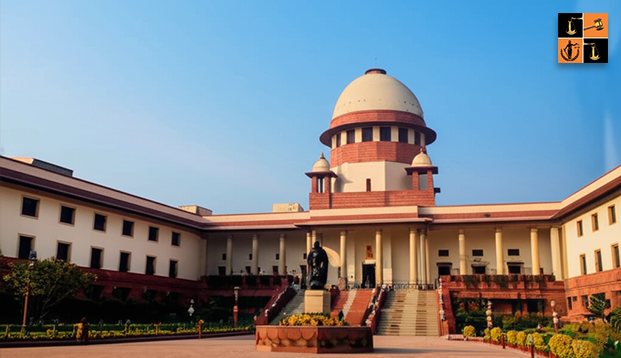
On Wednesday, the Supreme Court indicated that the constitutional and statutory debate over the age of consent for adolescents will be taken up comprehensively, setting November 12, 2025, for continuous hearing.
The Bench of Justice Vikram Nath, Justice Sandeep Mehta, and Justice N.V. Anjaria made clear that it preferred to examine the issue in one stretch rather than fragmenting the proceedings. “We would prefer if the matter starts and continues rather than having it in piecemeal,” the Bench observed, while fixing the date.
The case arose from challenges to the blanket criminalisation of consensual sexual activity involving adolescents aged 16 to 18 years under the Protection of Children from Sexual Offences Act, 2012 (POCSO) and Section 375 of the Indian Penal Code (IPC). Senior Advocate Indira Jaising, appearing as amicus curiae, has urged the Court to read down the statutory age of consent from 18 to 16 years, contending that the current threshold results in the prosecution of adolescents in consensual relationships. In her written submissions, she has also questioned the absence of a “close-in-age” exception in Indian law, arguing that blanket criminalisation undermines adolescent autonomy.
The Union government, however, has taken a firm stand defending the existing age of 18 years. Additional Solicitor General Aishwarya Bhati, in written submissions for the Centre, described the statutory threshold as a “deliberate, well-considered, and coherent policy choice aimed at shielding minors from sexual exploitation.” The Centre warned that introducing exceptions or lowering the age of consent would “amount to rolling back decades of progress in child protection law, and undermine the deterrent character of statutes like the POCSO Act and the BNS.”
The government further argued that discretion on a case-to-case basis should remain with courts and not be incorporated into the statute, cautioning that “introducing a legislative close-in-age exception or reducing the age of consent would irrevocably dilute the statutory presumption of vulnerability that lies at the heart of child protection law. A diluted law risks opening the floodgates to trafficking and other forms of child abuse under the garb of consent.”
The Bench was also informed about multiple intervention applications filed in the matter. Responding, the Court remarked, “Can we stop lawyers from filing applications?” while asserting that the question of entertaining them rests with the Court.
Source Link
Picture Source :




















