









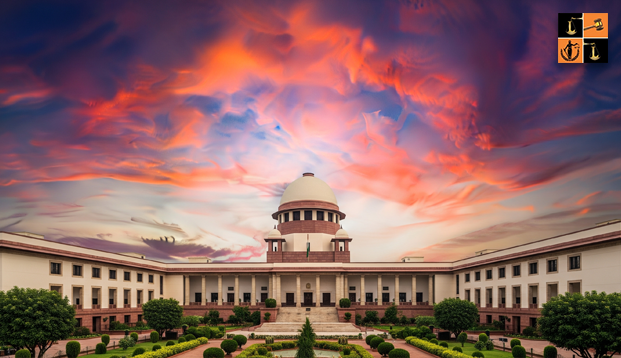
In a strong reaffirmation of constitutional equality, the Supreme Court has awarded compensation to a transwoman who was dismissed from two private schools after her gender transition, condemning such treatment as a violation of dignity and livelihood. The petitioner, Jane Kaushik, had been appointed as a teacher in institutions in Uttar Pradesh and Gujarat, only to lose both positions within a year on the sole ground of her gender identity.
The Bench comprising Justice JB Pardiwala and Justice R. Mahadevan expressed serious concern over the manner in which her services were terminated, observing that no educational establishment may deny employment based on gender identity or expression. The Court noted that such conduct not only breaches statutory protections but runs contrary to the constitutional promise of equality and non-discrimination.
To address the systemic gap in institutional policy, the Court directed the formation of a national committee headed by former Delhi High Court Judge, Justice Asha Menon. The committee has been tasked with framing a comprehensive equal opportunity policy for transgender persons, with the Court clarifying that, in the interim, the guidelines laid down in the judgment shall be binding on institutions lacking their own policy framework.
The committee will comprise prominent voices from the transgender community, academics, and health experts, alongside ex-officio participation from senior officials of the Ministries of Social Justice, Health, Education, and Women & Child Development. Its mandate includes the examination of existing legal protections under the Transgender Persons (Protection of Rights) Act, 2019 and its Rules, with a view to ensuring genuine accommodation, fair access to employment, recognition of gender identity, and accessible healthcare.
This ruling builds upon the foundation laid in NALSA v. Union of India, where the Apex Court first recognised the right of transgender persons to self-identify and participate equally in public life. Despite statutory developments, the Court observed that discrimination remains deeply entrenched, requiring judicial intervention to secure meaningful enforcement.
The full text of the judgment, yet to be uploaded, is expected to provide further directions on compliance and accountability for educational institutions and private employers across the country.
Disclaimer: This news/ article includes information received via a syndicated news feed. The original rights remain with the respective publisher.
Picture Source :




















