









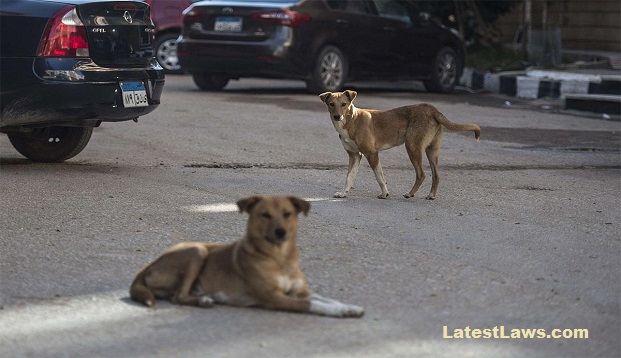
On Tuesday, the Supreme Court refused to modify or recall its earlier directions concerning relocation and sterilisation of stray dogs, while also permitting authorities to take legally permissible measures, including euthanasia of rabid and dangerous dogs, to address growing threats to public safety. The Court strongly criticised States and Union Territories for failing to develop adequate infrastructure to effectively manage the rising stray dog population despite increasing incidents of dog attacks being reported across the country.
The controversy revolved around multiple applications seeking modification of the Supreme Court’s November 2025 directions, which had ordered the removal of stray dogs from institutional premises and prohibited their re-release into such spaces after sterilisation. Petitioners had challenged both the earlier directions and the Standard Operating Procedure framed by the Animal Welfare Board of India.
The Bench examined repeated incidents involving dog attacks in public spaces, including airports and residential areas. The Court also took note of reports concerning international travellers allegedly being attacked by stray dogs, observing that such incidents directly affect public confidence in urban administration and civic governance.
The Bench of Justice Vikram Nath, Justice Sandeep Mehta and Justice NV Anjaria observed, while refusing to interfere with its earlier directions, that the problem of stray dog attacks had reached deeply disturbing proportions. The Court remarked that reports of dog-bite incidents were surfacing with alarming frequency and severity and stressed that the judiciary could not remain blind to “harsh ground realities where kids, travellers, elderly have fallen victim to dog bite incidents.”
Emphasising that the right to life with dignity includes the right to live without fear of harm from stray dogs, the Court criticised the absence of sustained efforts by States and Union Territories to create adequate infrastructure to deal with the growing stray dog population.
Consequently, the Court dismissed all pleas seeking modification or recall of its earlier directions and permitted authorities to adopt legally permissible measures, including euthanasia in cases involving rabid and dangerous dogs.
Disclaimer: This news/ article includes information received via a syndicated news feed. The original rights remain with the respective publisher.
Picture Source :




















