









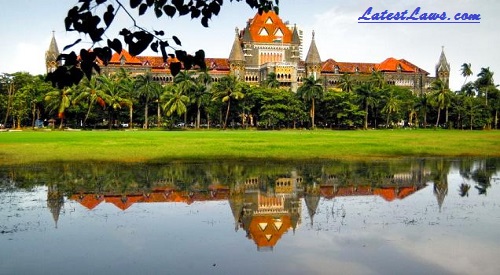
The Bombay High Court, on 15.01.2021(Friday) comprising of a bench of Justices TV Nalawade and MG Sewlikar observed that white-collar offences are more serious than offences involving bodily harm, given that they involve an element of conspiracy.( Tejas Dugad Ors. v. UOI Ors.)
The Bench made this observation while dismissing pleas filed by the directors of Ganraj Ispat Private Limited for quashing criminal proceedings against them on allegations that they committed fraud under the Central Goods and Services Tax Act.
A Bench reasoned that the earlier interim order passed earlier in the matter virtually prevented the tax department from exercising their powers, including the issuing of summons which indirectly got the petitioners the relief of anticipatory bail.
“... white-collar offences are more serious than offences like murder, dacoity etc. Such offences are committed after hatching a conspiracy. This circumstance needs to be kept in mind by Court as the granting of relief of anticipatory bail hampers investigation and such an approach causes damage to the image of the judiciary.”
- Bombay HC
Facts of the case
The directors of M/s Ganraj Ispat Private Limited filed four pleas having registered office at Supa in Ahmednagar district sought the quashing of any illegal proceedings against them and also sought to stay on the pending hearing such that no coercive action is taken on them.
Contentions of the Parties
Senior Counsel Makrand D Adkar and Advocate P B Shirsath on behalf of the petitioners submitted that they had been informed of GST liabilities worth 84 lakh and were also charged with the commission of offences under GST law. The petitioners paid the amount to the GST intelligence as a sign of protest and they want to contest the liability put on them.
The businesspersons challenged their prosecution claiming it as a false conception. They also claimed that the CrPC guidelines were not followed for the registration of crime and investigation was not followed by the concerned authority and thus, action taken against them is illegal.
Advocate AG Talhar appearing on behalf of the GST department said that the pleas had been misconceived, no summons had been issued against them and the department has followed every procedure as per law.
The GST authorities denied all the allegations of the petitioners and submitted that on search in the premises of the petitioner’s company they found that the petitioner had made fake invoices and thus, action against them is justified.
Courts Observation & Judgment
After hearing both sides the bench said that there is evidence to prove that there is prima facie fraud on part of the petitioners and interim relief had been given to the petitioners on any coercive action which has been in favour of them. It had also been noted that this was done deliberately before the vacations to extend the same.
The Court found that:
- There was an admission by the petitioners of having created a record of false invoices for the input tax credit by deceiving the authority.
- Upon seizure of the records of the company, the directors voluntarily deposited the penalty amount and not under protest.
Therefore, the Court concluded that there was material to make out a prima facie case of fraud against the petitioners.
The Court relying upon the provisions and scheme under the CGST Act, observed that in cases like the present one, both the adjudication and prosecution start simultaneously and, therefore, the special CGST Act will apply over the CrPC.
The Bench further noted that instead of moving the High Court in November 2020, immediately after the search and seizure, the petitioners chose to move the vacation court in December.
The Court further refused to accept the argument of the petitioner that its chief consultant was infected due to COVID-19 and imposed costs amounting to Rs. 25,000 per petitioner to be deposited in the Court within 4 weeks from the order date. The amount will thereafter be issued to the Respondents to cover the cost of the present litigation, the Bench added.
Read Judgment @Latestlaws.com
Share this Document :Picture Source :




















