









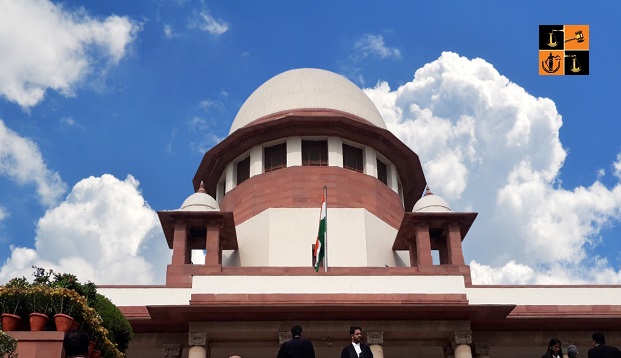
On Monday, in a strong caution to investigative overreach, the Supreme Court remarked that the Enforcement Directorate (ED) was “crossing all limits” by summoning lawyers for rendering legal advice to clients facing investigation. The Court questioned the legality of such actions, stressing the sanctity of privileged communication between an advocate and their client.
The bench of Chief Justice B.R. Gavai and Justice K. Vinod Chandran made these observations during suo motu proceedings initiated in light of summons issued by the ED to senior advocates, including Arvind Datar and Pratap Venugopal. “The communication between a lawyer and the clients is privileged communication and how can the notices be issued against them… they are crossing all limits,” the Chief Justice said in open court.
The Court took serious note of the potential chilling effect such conduct could have on the independence of the legal profession and the effective administration of justice. “If this continues, it will deter lawyers from offering honest and independent advice,” a counsel appearing before the Court submitted.
The Attorney General R. Venkataramani acknowledged the concern, stating, “What is happening is certainly wrong,” while Solicitor General Tushar Mehta added, “Lawyers cannot be summoned for rendering legal opinions.” The Solicitor General further informed the Court that the matter had been taken up at the highest executive level and that the ED had been directed not to summon advocates except with the prior approval of the agency's Director under the exception carved out in the proviso to Section 132 of the Bhartiya Sakshya Adhiniyam, 2023.
An internal circular issued by the ED on June 20 clarified that its investigating officers must refrain from issuing summons to any advocate in ongoing money laundering investigations unless strictly falling under the legal exception and with express approval from the Director.
Bar associations, including the Supreme Court Bar Association and the Advocates-on-Record Association, have condemned the ED’s approach, calling it a “disturbing trend” that threatens the foundation of the legal profession. Intervention applications were filed in the proceedings, and the Court directed all parties to submit detailed notes ahead of the next hearing scheduled for July 29.
During the hearing, the CJI emphasized the Court’s role as protector of the profession's integrity, stating, “Ultimately, we are all lawyers,” while rejecting attempts to politicize the issue.
Notably, in a previous order dated June 25, a coordinate bench comprising Justice K.V. Viswanathan and Justice N. Kotiswar Singh had emphasized that summoning advocates for advice rendered to clients constitute a “direct threat to the independence of justice administration.”
The Court is expected to formulate guidelines to insulate legal counsel from coercive investigative practices, reaffirming the principle that legal advice, when lawfully rendered, must remain inviolable and immune from intimidation.
Picture Source :




















