









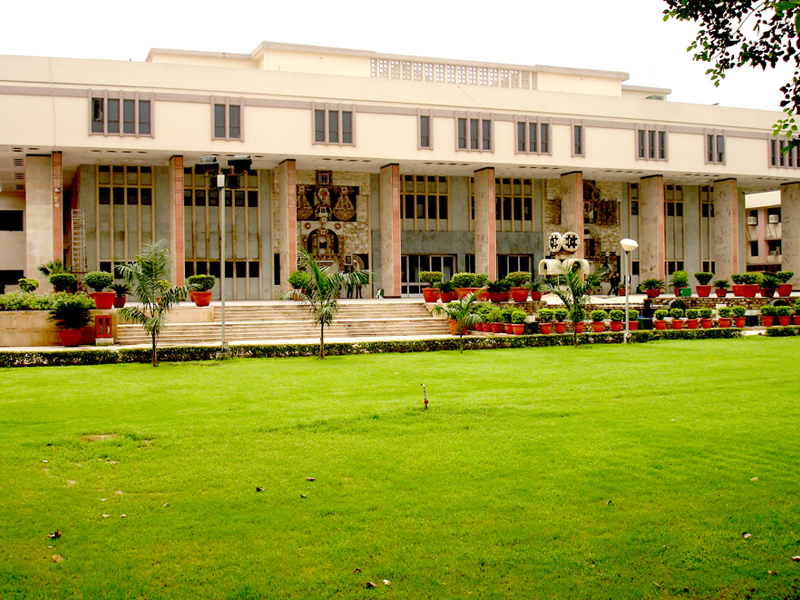
The Delhi HC in, DINESH SHARMA AND ORS v. STATE AND ANR stated that the High Court can not quash proceedings under Section 482 of Cr. P.C in cases that are heinous in nature even if the parties have entered into a compromise.
Facts
The Petitioner in the instant case approached the court under Section 482 of Cr. P.C seeking quashing of FIR for offense under Sections 354, 354D, 506, 509, 34 IPC and Section 10 POCSO Act on the ground that the prosecutrix and the petitioners have compromised the matter.
Scope of Section 482
under Section 482 of the Code, the High Court has the power to quash even in those offenses which are not compoundable, where the parties have settled the matter between themselves, but the power has to be exercised fairly and with caution.
Court’s Observation
The Court stated that in the instant case offense of rape is a heinous crime punishable under Section 376 IPC. In Gian Singh v. the State of Punjab, it was held by the Apex Court, “Heinous and serious offenses of mental depravity or offenses like murder, rape, dacoity, etc. cannot be fittingly quashed even though the victim or victim's family and the offender have settled the dispute.” This position has also been taken in various other Supreme Court cases as well. The COurt thus said that by the virtue of Article 141 of the Constitution, the above-mentioned position is binding on the court.
Moreover, the court also perused the POCSO Act and stated, exercising jurisdiction under Section 482 Cr. P.C to quash an offense under POCSO Act would go against the intention of the legislature which has brought out the special enactment to protect the interests of children. The Court finally stated that the FIR could not be quashed on the ground that the victim after attaining majority has decided to compromise the matter with the accused.
Case Details
CRL.M.C. 1002/2021
Coram- HON'BLE MR. JUSTICE SUBRAMONIUM PRASAD
Read Judgment @Latestlaws.com
Share this Document :Picture Source :




















