









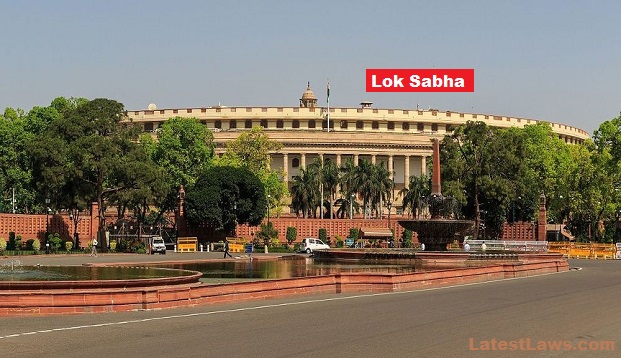
The Ministry of Power has introduced Energy Conservation (Amendment) Bill ,2022 y to have legal provisions to prescribe minimum consumption of non-fossil energy sources as energy or feedstock by the designated consumers. This will help in reduction of fossil fuel-based energy consumption and resultant carbon emissions to the atmosphere.
The Energy Conservation Act, 2001 was enacted to provide for efficient use of energy and its conservation and for matters connected therewith or incidental thereto. The said Act provides for establishment and incorporation of the Bureau of Energy Efficiency and confers certain powers upon the Central Government, the State Government and the Bureau of Energy Efficiency to enforce measures for efficient use of energy and its conservation.
The Energy Conservation Act, 2001 was amended in the year 2010 to address various new factors which emerged with the development of the energy market over a period of time and to provide for more efficient and effective use of energy and its conservation.
The Energy Conservation (Amendment) Bill, 2022, inter alia, seeks to—
(a) mandate use of non-fossil sources, including Green Hydrogen, Green Ammonia, Biomass and Ethanol for energy and feedstock;
(b) establish Carbon Markets;
(c) bring large residential buildings within the fold of Energy Conservation regime;
(d) enhance the scope of Energy Conservation Building Code;
(e) amend penalty provisions;
(f) increase members in the Governing Council of Bureau of Energy Efficiency;
(g) empower the State Electricity Regulatory Commissions to make regulations for smooth discharge of its functions.
The Energy Conservation Act, 2001 was amended in the year 2010 to address various new factors which emerged with the development of the energy market over a period of time and to provide for more efficient and effective use of energy and its conservation.
Picture Source :



















