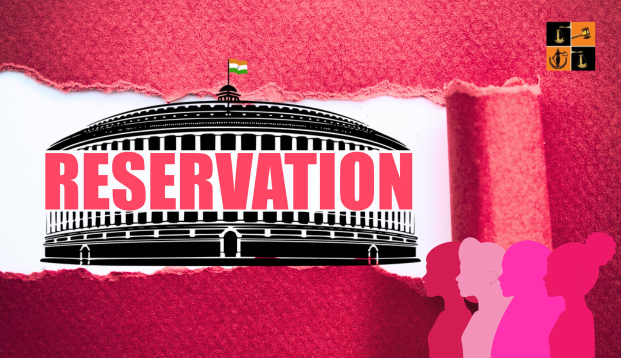
The Women's Reservation Bill is perhaps one of the most-awaited pieces of legislation in India. The bill, that if passed, will reserve one-third of seats for women in Parliament, is expected to be transformative in giving women an adequate voice in the world's most populous nation where women constitute 50% of the population.
As the special Parliament session went underway on September 18, anticipation has been building on whether the Union government will introduce the bill in the session. Prime Minister Narendra Modi, while speaking in the Lok Sabha on Monday, called upon members of Parliament to make the special session, which will witness the shift from the old Parliament to the new Parliament on September 13, historic.
Several other leaders, meanwhile, have pitched for the passage of the women's reservation bill in the session. A case in point is Telangana Chief Minister K Chandrasekhar Rao, or KCR, who wrote to PM Modi seeking the passage of the bill on women's reservation in the special session.
A push to discuss the women's reservation bill in Parliament was also made at the all-party meeting that was held before the Parliament session began. At this moment at least, there seems to be no visible Opposition to the bill. Therefore, if the Centre does decide to bring up the bill, it is likely that the bill may be passed.
What is the Women's Reservation Bill?
The Women's Reservation Bill is also called the The Constitution (One Hundred and Eighth Amendment) Bill. The Bill has already been passed in the Rajya Sabha but has not been tabled before the Lok Sabha yet. The Bill seeks to reserve 33% of all seats in the Lok Sabha and state legislative assemblies for women. The allocation of reserved seats shall be determined by an authority decided on by the Parliament.
7 things you need to know about the Women's Reservation Bill
1. The Women's Reservation Bill calls for the reservation of 33% of seats in Parliament and state legislative assemblies for women.
2. One third of the total seats reserved for Scheduled Castes and Scheduled Tribes shall be reserved for women from those groups, according to the Bill. The reserved seats may be rotational.
3. According to the Bill, the reservation of seats for women shall cease to exist 15 years after the commencement of the Amendment Act.
4. Those who support the Bill say affirmative action is necessary to improve the condition of women and cite recent studies on how reservation at the panchayat level led to empowerment of rural women.
5. Opponents of the Bill say it would perpetuate the idea that women are unequal and are not competing on the basis of merit.
6. They further say that rotation of constituencies every election may lower the incentive for a member of Parliament to work for their constituency.
7. A report examining the 1996 Women's Reservation Bill recommended that reservation be provided for women of Other Backward Classes (OBCs) once the Constitution was amended to allow for the reservation for OBCs. It also recommended that reservation be extended to the Rajya Sabha and Legislative Councils. Neither of these recommendations has been incorporated in the Bill.
(Only the headline and picture of this report may have been reworked by the LatestLaws staff; the rest of the content is auto-generated from a syndicated feed.)
Source Link