Saturday, 23, May, 2026
- Virtual Legal Internship Program 2026 by The Justice Ally Law Firm [June 1 – July 1; Unpaid]: Apply Now!
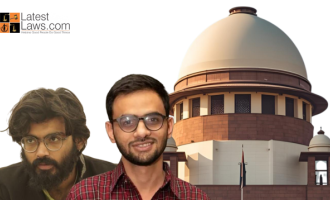
- SC refers Umar Khalid Bail Issue to larger Bench over UAPA Bail Principles
- Internship Opportunity at MKR Associates and Consultants, Bangalore [On-site; 2 Interns; Full & Part – time]: Apply Now!
- Legal Internship Opportunity at Harshit Chopra & Associates (HCA), Delhi [June 2026]: Apply Now!
- क्रीमी लेयर पर सुप्रीम टिप्पणी: 'दोनों माता-पिता IAS हैं तो आरक्षण क्यों?', कोर्ट ने कहा- संतुलन जरूरी
- SC Clarifies: Police cannot Arrest Accused in Complaint Cases without Non-Bailable Warrant
- ट्विशा शर्मा के शव का दोबारा होगा पोस्टमार्टम, हाईकोर्ट ने दिए निर्देश, पति समर्थ सिंह कर सकता है सरेंडर
- POCSO | Accused Cannot be Convicted for Offence he was Never Charged With, clarifies HC, Read Judgment
- RBI appoints Shri Gunveer Singh as new Executive Director
- सीबीआई न्यायालय ने बैंक धोखाधड़ी मामले में बैंक ऑफ इंडिया के पूर्व वरिष्ठ शाखा प्रबंधक एवं एक निजी व्यक्ति को सात वर्ष के सश्रम कारावास की सजा सुनाई
- लखनऊ में 70 जज साइकिल से पहुंचे कोर्ट:पेट्रोल-डीजल और पर्यावरण बचाने का संदेश दिया, हाईकोर्ट जज ने दिखाई झंडी
- Fire breaks out in Allahabad High Court (Read here)
- सुहैल अहमद थोकर को सुप्रीम कोर्ट से राहत; यूएपीए मामले में मिली जमानत, जानें पूरा मामला
- हाईकोर्ट का बड़ा फैसला: बंगाल में गोवंश वध पर पाबंदी रहेगी जारी, बकरीद से पहले सभी याचिकाएं खारिज
- Breaking | SC Clarifies Enhanced Pension for retired High Court Judges, Chief Justices payable only from October 2016