









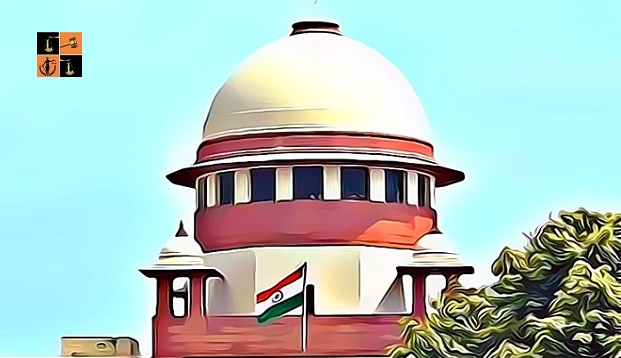
The Supreme Court has commenced the final hearing on a series of petitions challenging the Gujarat government's decision to grant remission and premature release to 11 convicts involved in the heinous gang-rape of Bilkis Bano and the murder of her family members during the 2002 Godhra riots. The hearing presided over by a bench headed by Justice B V Nagarathna, saw vivid descriptions of the cold-blooded brutality inflicted on Bilkis Bano and her family members.
Advocate Shobha Gupta, representing Bilkis Bano, recounted the horrifying details of the murders and gang rape, describing the victims' bodies as being smashed in, with heads and chests brutally attacked. The chilling narrative highlighted the tragic deaths of at least seven individuals, including Bilkis Bano's three-year-old child, during the Gujarat riots.
The case has traversed a complex legal journey, with multiple benches of the apex court previously considering the matter. The Supreme Court's inquiry into the reasons for the early release of the 11 life convicts in April further underscored the gravity of the case.
The petitioners challenging the convicts' release include Bilkis Bano herself, Trinamool Congress MP Mahua Moitra, CPI(M) leader Subhashini Ali, independent journalist and filmmaker Revati Laul, and former philosophy professor and activist Roop Rekh Varma. They argue that the release fails to uphold principles of social and human justice.
The Gujarat government's reliance on a remission policy from 1992, rather than the more recent 2014 policy, for approving the convicts' applications for remission has raised questions. The 11 men were released in August of the previous year.
The final hearing, under the guidance of Justice B V Nagarathna, continues to shed light on the harrowing incidents of violence and injustice during the 2002 Godhra riots, while also addressing the legal intricacies surrounding the premature release of the convicts.
Source: Link
Picture Source :




















