









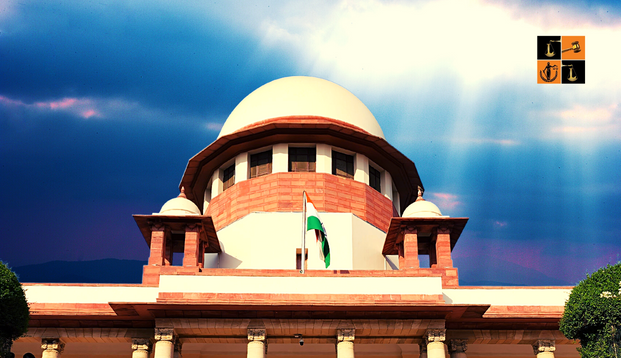
The Supreme Court dismissed a writ petition seeking the formation of a Special Investigation Team (SIT) to probe the communal unrest in Murshidabad, West Bengal, which allegedly stemmed from demonstrations against the Waqf (Amendment) Act. While declining to entertain the matter under Article 32, the Court underscored that bypassing the jurisdiction of the High Courts undermines their constitutional authority and warned that such practices would be taken seriously in future.
The petitioner had approached the Supreme Court directly with a request to constitute an SIT to investigate recent communal disturbances in Murshidabad. These disturbances reportedly occurred during protests surrounding legislative changes to the Waqf Act. The petitioner alleged serious law and order issues and sought urgent judicial intervention from the Apex Court.
The petitioner argued that the circumstances surrounding the violence warranted an independent and impartial investigation by a Court-monitored SIT. Emphasising the gravity of the incident, the petitioner submitted that the matter involved significant public interest and therefore merited direct consideration by the Supreme Court.
The Bench, comprising Justice Surya Kant and Justice K.V. Viswanathan, strongly disapproved of the petitioner’s decision to approach the Apex Court without first seeking relief from the Calcutta High Court. The Court observed, "Why don’t you go to the High Court, a Constitutional Court vested with powers superior to those available to this Court under Article 32? Filing writ petitions directly before the Supreme Court amounts to belittling the authority of the High Court."
Reiterating its position against this growing tendency, the Court stated that such practices erode the federal structure and disrupt the established judicial hierarchy. Justice Kant remarked, "This habit of bypassing High Courts by filing writs directly in the Supreme Court, we are going to treat this issue with the seriousness it deserves."
The Bench also recalled that in a previous instance involving the same issue, a similar petition had been withdrawn after the Court expressed disapproval of the language used in the pleadings and emphasised the need for responsibility and restraint in judicial forums.
In conclusion, the Supreme Court dismissed the writ petition, but granted liberty to the petitioner to approach the Calcutta High Court for appropriate relief. The Court maintained that constitutional remedies are available at the High Court level and must be exhausted before invoking Article 32 jurisdiction.
Picture Source :




















