









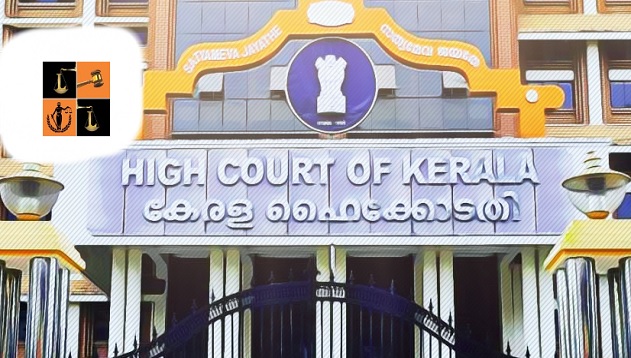
Can a No Objection Certificate from Pakistan replace a formal renunciation of citizenship? The Kerala High Court has made it clear, it cannot. Citizenship in India demands an unequivocal break with Pakistani nationality.
The case stemmed from applications by two sisters, who sought Indian citizenship after moving from Pakistan with their father. Their father, Muhamed Maroof, originally from Kottayam-Malabar in Kerala, had migrated to Pakistan in 1977 and later worked in the UAE before returning to India in 2008 with government approval. His daughters, born in Pakistan, later joined him in Kerala.
The women applied for Indian citizenship, submitting a NoC from the Pakistan High Commission instead of a formal renunciation certificate. They argued that under Pakistan’s citizenship law, such certificates can only be issued after the age of 21, by which time they had already surrendered their Pakistani passports.
A Single Judge Bench had earlier accepted this reasoning and directed the Union government to grant them citizenship. However, the Division Bench of Justice Sushrut Arvind Dharmadhikari and Justice V.M. Syam Kumar overturned that order, upholding the Union government’s appeal.
The Court observed, “The Citizenship Act, 1955, does not recognise dual citizenship. An individual can be treated as an Indian citizen only if recognised exclusively by the Indian state, without competing claims from any other country”. It ruled that under Section 14A of the Pakistan Citizenship Act, 1951, renunciation of Pakistani citizenship, whether by minors or adults, is a mandatory precondition for claiming Indian nationality.
The ruling leaves the sisters legally considered Pakistani citizens in the eyes of both India and Pakistan.
Picture Source :




















