









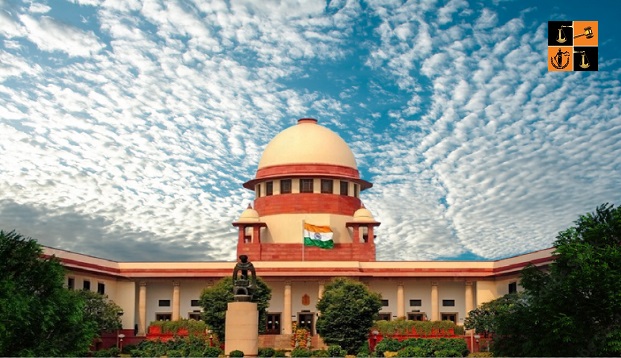
Recently, the Supreme Court decided to hear a batch of ten petitions challenging the constitutional validity of the Waqf (Amendment) Act, 2025. The Court noted that the amendments introduced substantial changes to the existing legal framework governing waqf properties and require careful judicial review.
The lead challenge to the amendment has been filed by Member of Parliament Asaduddin Owaisi, representing the All India Majlis-e-Ittehadul Muslimeen (AIMIM), along with several other petitions raising similar concerns. The matter has been listed before the Bench as item number 13.
The Waqf (Amendment) Act, 2025 received Presidential assent on April 5 and seeks to introduce major reforms to the existing Waqf Act, 1995, which governs the administration of religious endowments in the form of waqf under Islamic law. The principal Act outlines the structure and functions of various governing bodies, including the Central and State Wakf Boards, the Chief Executive Officer, mutawallis (caretakers), and the jurisdiction of Wakf Tribunals.
The impugned amendment introduces wide-ranging changes, beginning with a renaming of the 1995 legislation to the “Unified Waqf Management, Empowerment, Efficiency, and Development Act.” The stated intent is to enhance transparency and efficiency in the governance of wakf properties. However, the changes have sparked legal controversy due to their impact on key aspects of waqf creation, oversight, and religious autonomy.
One of the key provisions being contested is the restriction placed on who may create a waqf. While the 1995 Act permitted declaration through usage or dedication, the amendment now mandates that only a person who has practiced Islam for a minimum of five years and is the lawful owner of the property may declare a waqf. The Bill eliminates the concept of “waqf by long-term user,” which had previously allowed properties used continuously for religious purposes to be deemed as waqf.
Another significant provision under challenge is the removal of the Waqf Board’s power to initiate inquiries and determine the status of a property as waqf. Petitioners contend that this effectively alters the role of the board and removes procedural safeguards that protected religious endowments. Furthermore, the amended law introduces representational changes to the Central Waqf Council. It mandates that at least two of its members must be non-Muslims, while retaining Muslim-only requirements for other roles, including representatives of religious organisations and scholars in Islamic law. It also prescribes that two Muslim women must be included in the Council’s composition.
The legislation also confers enhanced regulatory powers upon the Central Government, authorising it to frame rules for registration and public disclosure of waqf accounts and board proceedings. Unlike the earlier position where State governments could audit wakf records at any time, the amendment enables the Central Government to conduct such audits, including through the Comptroller and Auditor General (CAG) or a designated officer.
As the petitions challenge both procedural and substantive aspects of the law, the Supreme Court acknowledged the broad implications of the amended legislation and is expected to deliberate on whether it aligns with the constitutional guarantees related to religious freedom, property rights, and federal structure.
The Apex Court is scheduled to hear the matter on April 16 to assess the constitutional validity of the newly introduced provisions. The Bench will be presided over by Chief Justice of India Sanjiv Khanna, alongside Justice PV Sanjay Kumar and Justice KV Viswanathan.
Picture Source :



















