









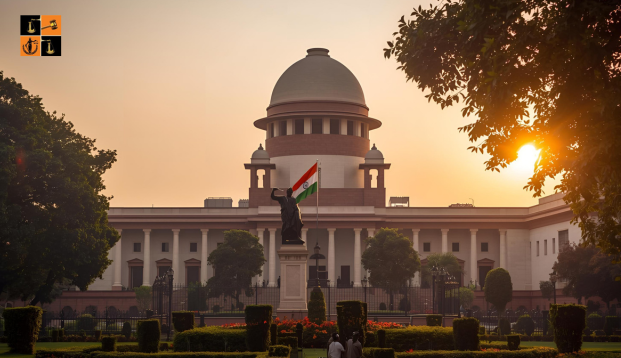
On Thursday, the Supreme Court turned its focus to the explosive power of user-generated content online material capable of going viral within minutes and triggering unrest long before the State can act. The Court noted that the unchecked speed at which misinformation, provocative media, and controversial narratives spread has created a vacuum that existing laws and self-regulatory codes are unable to contain, compelling judicial scrutiny over the need for preventive checks on social media uploads.
The matter reached the Apex Court amid growing concern over the circulation of potentially harmful material online. The Bench observed that by the time authorities detect, evaluate, and issue takedown orders, the content often spreads uncontrollably, causing irreversible social impact. During the hearing, the Judges cited instances where provocative posts praising hostile nations or questioning territorial integrity went viral within hours despite later deletion.
Advocate Prashant Bhushan objected strongly to the use of the term “anti-national,” arguing that the label is subjective and often misused. He asserted that questioning state decisions, such as the accession of Sikkim or Chinese territorial claims, could not automatically be branded anti-national, but may simply reflect differing viewpoints.
Solicitor General Tushar Mehta interrupted, stating that such questioning could fuel secessionist ideology rather than protected debate, especially in proceedings dealing with obscene, perverse, or anti-national content online. Broadcaster and OTT associations meanwhile maintained that their existing self-regulation mechanisms are sufficient, and any move towards pre-censorship threatens free expression.
The Bench, comprising CJI Surya Kant and Justice Joymalya Bagchi, clarified that freedom of speech in India is protected, but regulated, unlike the absolute First Amendment guarantees in the United States. The Court emphasized that “We will not approve of a mechanism that gags expression or throttles speech. We seek a preventive system that filters content before it causes harm.”
The Court noted that artificial intelligence could be used to screen content prior to publication, ensuring academic or critical viewpoints are not suppressed while potentially dangerous posts do not reach the public unchecked. They acknowledged the absence of a legal framework for UGC regulation and stressed the need for an autonomous mechanism, rather than government-controlled censorship, to balance security and liberty.
The Court directed the Information & Broadcasting Ministry to prepare a draft mechanism for pre-screening user-generated content, consult experts and the public, and submit the proposal within four weeks for further judicial examination.
Disclaimer: This news/ article includes information received via a syndicated news feed. The original rights remain with the respective publisher.
Picture Source :




















