









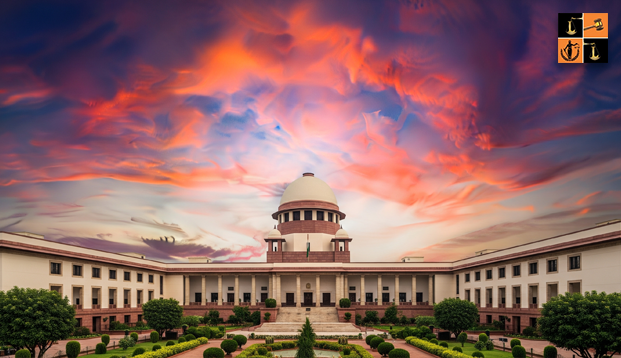
The Supreme Court declined to entertain a writ petition filed by a woman advocate seeking protection from arrest over a Facebook post targeting a rape complainant in a case involving a Kerala legislator, sharply criticising the language used and underscoring the professional responsibility of lawyers, particularly when commenting on sensitive criminal allegations.
The petition was moved by Advocate Deepa Joseph, who apprehended arrest by the Kerala Police in connection with a social media post directed at a woman complainant in one of the rape cases against a sitting Congress MLA. Joseph contended that the post was based on information allegedly shared by the complainant’s husband and argued that she neither disclosed the identity of the victim nor intended defamation.
The plea urged the Supreme Court to intervene at the pre-arrest stage, claiming violation of safeguards governing arrest, while the State opposed the maintainability of the petition at the Apex Court level.
A Bench comprising Chief Justice of India Surya Kant and Justice Joymalya Bagchi expressed strong disapproval of the advocate’s conduct, finding the tone and language of the post deeply inappropriate. The Court questioned the ethical judgment of placing allegedly confidential information in the public domain and noted that the content was “most derogatory of a woman.”
In a pointed observation, the Chief Justice remarked, “You are an advocate. Are you expected to write this type of language?” Justice Bagchi further cautioned against using litigation as a vehicle to amplify a particular narrative, observing that such conduct bordered on culpability. Holding that the plea did not warrant the Supreme Court’s interference, the Bench dismissed the petition, granting liberty to the petitioner to seek appropriate relief before the High Court.
Disclaimer: This news/ article includes information received via a syndicated news feed. The original rights remain with the respective publisher.
Picture Source :




















