









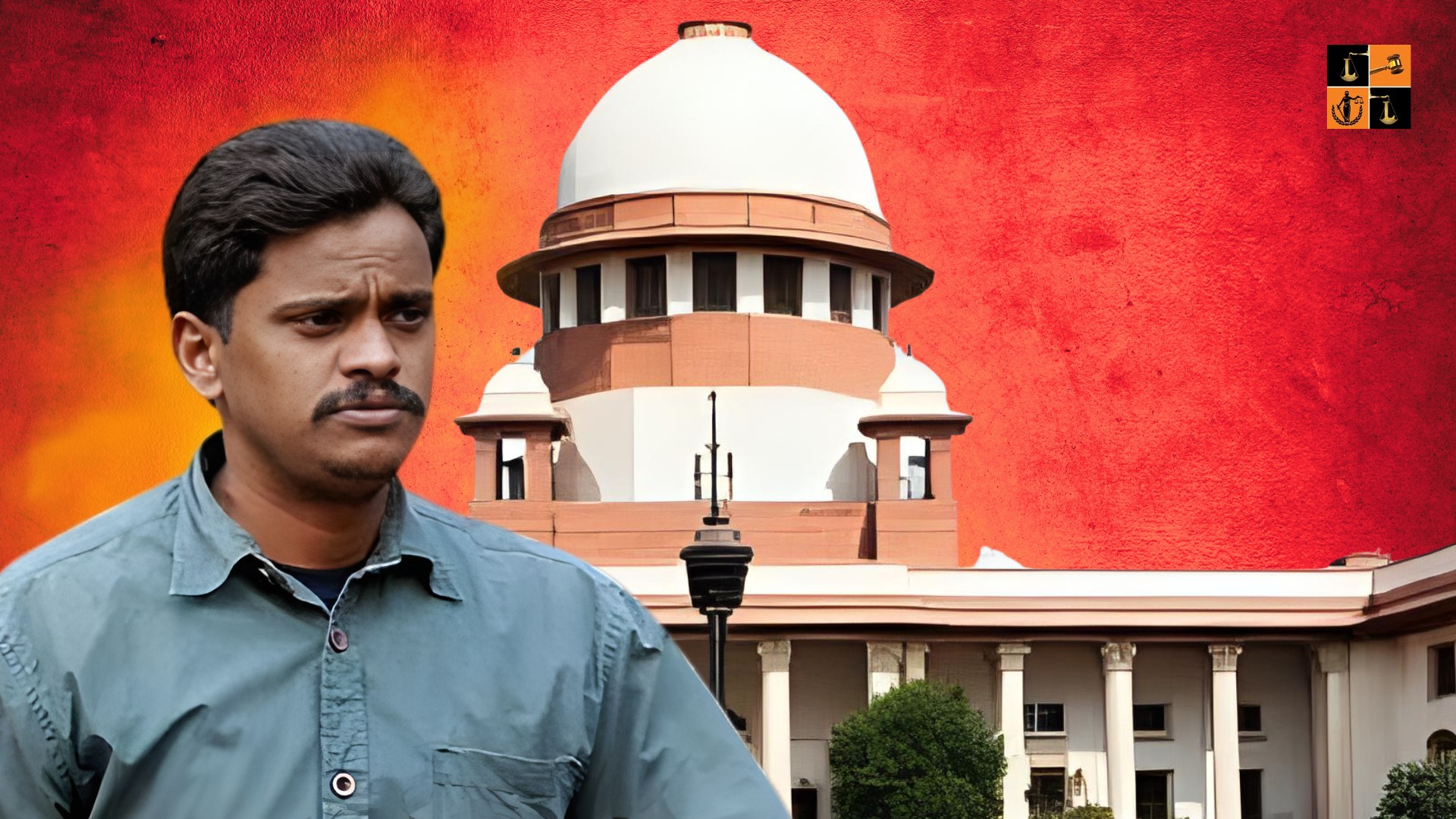
The Supreme Court has overturned the last remaining conviction of Surendra Koli in the infamous Nithari killings, bringing an end to the series of criminal cases that had gripped the nation for nearly two decades.
A Bench comprising Chief Justice of India B.R. Gavai, Justice Surya Kant, and Justice Vikram Nath allowed Koli’s curative petition challenging the apex court’s 2011 judgment, which had affirmed his conviction and sentence in one of the Nithari cases. Koli sought relief citing his subsequent acquittals in twelve other related cases based on identical evidence.
Justice Vikram Nath, delivering the order, declared that Koli stands acquitted of all charges. The Court accordingly recalled its 2011 judgment upholding his conviction and the 2014 order rejecting his review plea. The trial court’s judgment dated February 13, 2009, and the High Court’s order of October 11, 2009, were also quashed. The Court directed that Koli be released immediately if not wanted in any other case.
During the curative proceedings, the Bench had earlier remarked that it would be anomalous to sustain a conviction in one case when the accused had been acquitted in all others arising from the same evidence.
The curative plea argued that the evidence relied upon to convict Koli, primarily his confession and alleged recoveries, had already been found unreliable in multiple subsequent trials and appeals.
Earlier this year, the Apex Court had dismissed 14 appeals filed by the CBI and victims’ families against the Allahabad High Court’s decision acquitting Koli and co-accused Moninder Singh Pandher in other Nithari cases, effectively affirming the High Court’s findings.
The Nithari killings surfaced in December 2006 after skeletal remains of numerous children and women were discovered in a drain behind the residence of businessman Moninder Singh Pandher in Noida’s Nithari locality. Koli, who worked as Pandher’s domestic help, was arrested soon after the gruesome discovery.
The Central Bureau of Investigation took over the probe and filed 16 charge sheets, naming Koli in all for offences including murder, abduction, rape, and destruction of evidence. Pandher was initially charged in one case but was later summoned in five more on applications by victims’ families.
According to the prosecution, Koli was responsible for multiple murders, dismembering the bodies and disposing of the remains behind Pandher’s house. The investigation relied heavily on Koli’s alleged confession recorded under Section 164 CrPC and recoveries made under Section 27 of the Evidence Act.
Between 2009 and 2017, Koli was convicted and sentenced to death in 12 cases, while Pandher faced convictions in two. The Supreme Court in 2011 upheld one such conviction and death sentence, which the Allahabad High Court later commuted to life imprisonment in 2015 due to prolonged delay in deciding his mercy petition.
In a significant judgment delivered in October 2023, the Allahabad High Court acquitted both Koli and Pandher in the remaining cases, observing that the prosecution had failed to establish guilt beyond reasonable doubt and criticising the CBI’s investigation as “deeply flawed.” The Court also highlighted that potential leads regarding organ trade as a motive were never pursued despite related arrests in a nearby kidney trafficking case.
When the matter reached the Apex Court, the Bench led by CJI Gavai endorsed the High Court’s reasoning, noting that the area from where the remains were recovered was not under the exclusive control of the accused. The Chief Justice praised the High Court for “withstanding media pressure” and remarked that the trial proceedings appeared to have been influenced by public and media sentiment.
With Tuesday’s verdict, Surendra Koli’s final conviction stands erased, marking the closure of one of India’s most disturbing criminal chapters.
Picture Source :




















