









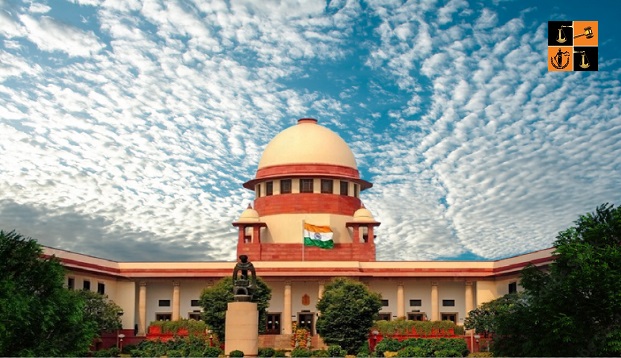
Recently, the Supreme Court condemned the misuse of environmental concerns by certain NGOs to obstruct developmental projects, raising apprehensions that such litigations might be influenced by vested interests, including unsuccessful bidders or external entities seeking to hinder India's progress. The Court dismissed an appeal challenging the National Green Tribunal’s (NGT) approval of a floating solar power project at Jayakwadi Dam, emphasizing that even environmentally beneficial projects should not be impeded under the guise of environmental protection.
The case originated from a petition filed by the NGO 'Kahar Samaj Panch Committee' before the NGT, contesting the installation of a floating solar power project by Tehri Hydro Development Corporation (THDC) at Jayakwadi Dam, which has been designated as a bird sanctuary. The NGO argued that the project would negatively impact the biodiversity of the area and pose risks to avian species, given that the site had been declared an eco-sensitive zone by the Ministry of Environment, Forest, and Climate Change.
THDC, a central public sector undertaking (PSU), had floated a tender for the project in line with the Union government’s policy to promote renewable energy. The NGT, after evaluating submissions, ruled that no legal provision explicitly barred the establishment of a floating solar project within an eco-sensitive zone and accordingly upheld the project’s approval.
The petitioner contended that the solar project posed environmental risks and could disturb the ecological balance of the region. It was asserted that the presence of solar panels on the water surface could adversely affect aquatic life and bird movements. The petitioner further claimed that the project lacked adequate environmental assessment and regulatory clearance.
The Apex Court, while rejecting the appeal, noted, "It has become a recurring practice for certain NGOs to obstruct developmental initiatives under the pretext of environmental concerns, often without substantive legal backing. The Court remains sensitive to genuine ecological concerns but will not permit the judicial process to be misused for ulterior motives." The Bench observed that the petitioner failed to demonstrate any specific statutory prohibition against floating solar power projects in eco-sensitive zones.
The Court further highlighted that the NGT had thoroughly scrutinized the matter and had sought clear legal provisions restricting such projects, to which the NGO failed to respond adequately. The Bench remarked that while environmental protection is paramount, it cannot be wielded as a tool to stall infrastructure and energy projects without cogent evidence of legal or ecological violations.
Dismissing the appeal, the Supreme Court upheld the NGT’s decision and emphasized the need for a balanced approach where environmental concerns must be genuine and substantiated rather than being used as a pretext for halting development. The Court reaffirmed its commitment to sustainable progress, ensuring that legitimate environmental considerations are addressed without unjustified impediments to growth.
Picture Source :




















