









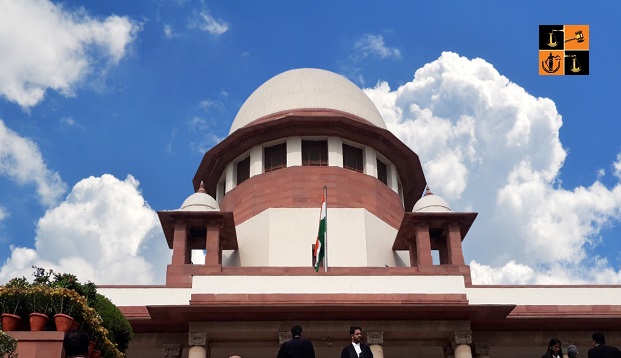
In a significant judgment concerning the disqualification of legislators under the Tenth Schedule of the Constitution, the Supreme Court has called upon Parliament to reassess the effectiveness of entrusting the Speaker of the House with the authority to adjudicate such matters. The Court expressed concerns over recurring delays in disqualification proceedings, particularly when such delays enable defecting legislators to complete their term without facing legal consequences.
The bench comprising Chief Justice of India BR Gavai and Justice AG Masih made this recommendation while addressing petitions relating to the prolonged inaction of the Telangana Legislative Assembly Speaker on disqualification pleas against ten MLAs who shifted allegiance from BRS to the Indian National Congress (INC). The Court noted that such inaction frustrates the very purpose of the anti-defection law and could potentially undermine the democratic fabric of the country.
Referring to past constitutional debates and previous Apex Court rulings, the bench emphasized that the Speaker, while exercising quasi-judicial powers under the Tenth Schedule, is expected to function with impartiality. However, the Court highlighted how the political affiliations of Speakers often raise legitimate concerns regarding their neutrality, especially in matters involving disqualification of members of their own or opposing parties.
The Supreme Court further observed that although it lacks advisory jurisdiction under Article 143(1), it is open to Parliament to evaluate whether the current mechanism truly serves the objective of deterring defections and preserving the sanctity of electoral mandates. “If the very foundation of our democracy and the principles that sustain it are to be safeguarded, it is to be examined whether the present mechanism is sufficient or not,” the Court remarked in its judgment.
Citing precedents such as Kihoto Hollohan v. Zachillhu, Rajendra Singh Rana v. Swami Prasad Maurya, and Subhash Desai v. Principal Secretary, the Court reaffirmed that judicial review of the Speaker’s decision (or indecision) is permissible in cases where constitutional mandates are violated, natural justice is denied, or proceedings are unreasonably delayed. In this case, the Court found that even basic procedural requirements under the Telangana Assembly Disqualification Rules, 1986, were not fulfilled for over 11 months.
Recognizing the urgent need to uphold democratic integrity, the Court directed the Telangana Speaker to decide the pending disqualification petitions within three months, warning that delays in such matters allow legislators to "play fraud on democracy" by continuing in office despite changing party affiliations mid-term.
This ruling reinforces the Top Court’s consistent stance that the anti-defection law, while constitutionally valid, must be implemented effectively and in a time-bound manner. The judgment signals a strong push for legislative reform and accountability in handling defections, which have long plagued Indian parliamentary politics.
Case Title: PADI Kaushik Reddy Etc vs. The State of Telangana and Ors Etc
Case No.: SLP(C) Nos. 2353-54 of 2025
Coram: Chief Justice B.R. Gavai, Justice Augustine George Masih
Picture Source :



















