









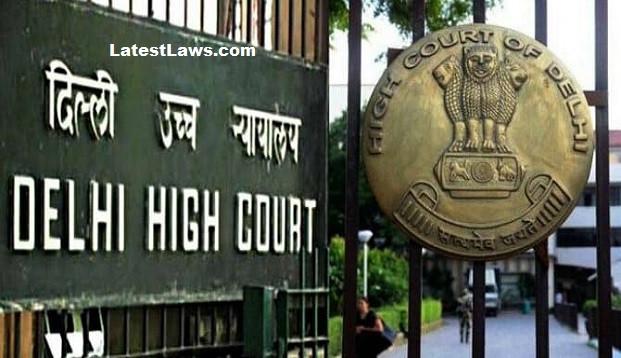
Delhi High Court has disposed a PIL which sought for removal of Loudspeakers atop any religious structures as Loudspeakers' Sound/Noise violates toddlers, kids, senior citizens, sick people and every citizens right to be left alone.
A bench of Chief Justice Patel and Justice Hari Shankar has passed the order in the case titled as SANJJIIV KKUMAAR vs UNION OF INDIA on 04.09.2019.
A PIL was filed with the prayer:
"To issue writ in the nature of mandamus or any other appropriate writ, order or directions, to the respondent for removal of Loudspeakers atop any religious structures as Loudspeakers' Sound/Noise violates toddlers, kids, senior citizens, sick people and every citizens right to left alone in a core which is inviolable, personhood (physical and mental integrity), spatial control (private space like home) after Right to Privacy Ruling, making Privacy fundamental Right which is protected as an intrinsic part of the right to life and personal liberty under Article 21 and as a part of the freedoms guaranteed by Part III of the Constitution".
High Court observed as under:
"Having heard the petitioner who is appearing in person and looking to the facts and circumstances of the case, it appears that basically this petitioner is in search of the removal of loudspeakers atop religious structures.
It appears from the counter affidavit filed by the respondent that there are already enough rules, regulations and standards in existence for controlling the noise pollution.
It further appears from the facts of the case that there is Noise Pollution (Regulation and Control) Rules, 2000 under which the standards of noise have been prescribed.
Moreover, a Standing Order No.363/2009 and a Circular No.22/2011 has been published by the respondent in respect of control of the noise pollution. This Standing Order and Circular are under the provisions of the Environment (Protection) Act, 1986.
Moreover, the use of the loudspeakers and amplified music systems, etc. is permissible only upto 10 p.m. as per Noise Pollution (Regulation and Control) Rules, 2000".
Then High Court disposed the case saying "Thus, looking to the steps already taken by the respondent in pursuance of the aforesaid Rules and Act, we see no reason to give further guidance to the respondent and it is expected from the respondent that it shall abide by the provisions of the law, rules, regulations and the circulars issued by the respondent".
Read the Order here:
Share this Document :
Picture Source :



















