









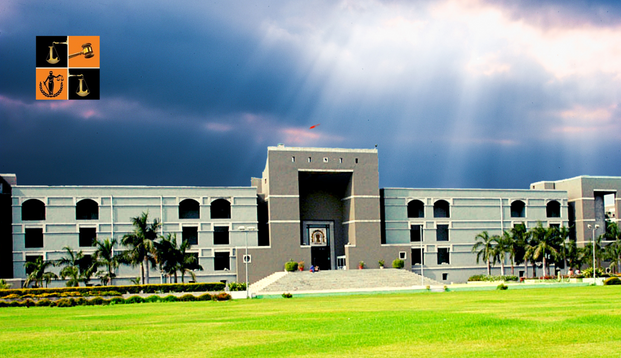
In a significant ruling on marital autonomy, the Gujarat High Court set aside an Ahmedabad family court order that had stalled a mutual-consent divorce, holding that a marriage fractured by irreconcilable differences over relocation, India versus the UK, should not be kept alive by technical delays, and directed the family court to conclude the proceedings within six months.
The case arose from a brief marriage solemnised in December 2023, which unravelled within weeks when the husband left for the United Kingdom to pursue higher studies and expressed his intention to settle there permanently, while the wife chose to remain in India to continue her career in Ahmedabad.
With neither willing to compromise on the question of residence, the couple mutually agreed to separate and jointly approached the family court under Section 13B of the Hindu Marriage Act in April 2025, stating that their dispute stemmed solely from their incompatible plans to live in different countries. The family court, however, rejected the petition as premature, citing the statutory “cooling-off” period and the absence of a formal waiver request.
Overturning that view, the Division Bench of Justice Sangeeta Vishen and Justice Nisha Thakore found that the marriage had irretrievably broken down and that procedural rigidity should not stand in the way of an agreed separation. The Court noted that the parties had already lived apart for over a year and that reconciliation was unrealistic, observing, “Not accepting the request of the parties… will only prolong their agony.”
Emphasising that both spouses were young and intent on pursuing their respective careers, the High Court restored the mutual-consent divorce petition and instructed the family court to decide it expeditiously, within six months.
Disclaimer: This news/ article includes information received via a syndicated news feed. The original rights remain with the respective publisher.
Picture Source :



















