









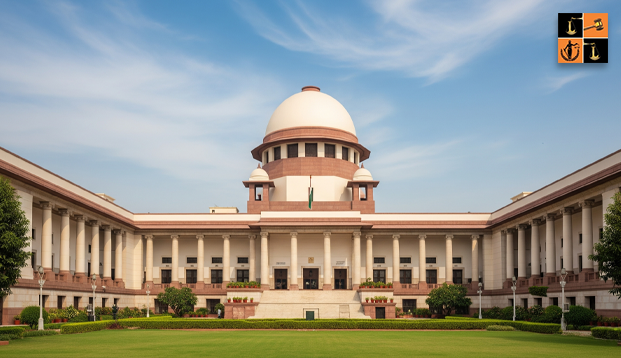
On Tuesday, the Supreme Court refused bail to an accused arrested in a narcotics case under the Narcotic Drugs and Psychotropic Substances Act, 1985, observing that those involved in the drug trade are destroying generations of young people. The case highlights the Supreme Court's continued emphasis on the serious societal impact of drug-related offences while considering bail requests under the NDPS Act.
The case arose from a challenge to a Madras High Court order that had rejected the accused's sixth successive bail application. According to the prosecution, the accused and two others were found carrying a bag when they allegedly attempted to flee upon noticing the police. The authorities claimed that 21 MDMA-ecstasy tablets weighing approximately 10.15 grams were recovered from the bag. It was further alleged that information provided by the accused led to the arrest of another co-accused who had escaped from the spot.
Seeking bail, the accused argued that the seized contraband remained in police custody for several weeks before being produced before the trial court and pointed out that the trial had not concluded despite earlier directions for its expeditious completion. It was also submitted that co-accused persons had already been granted bail. The State, however, maintained that the recovered substance constituted commercial quantity and opposed the plea.
The Division Bench of Justices Vikram Nath, Sheel Nagu and V Mohana found no ground to interfere with the High Court's refusal of bail. Emphasising the societal impact of narcotics offences, the Court remarked, "People dealing with drugs will have to be dealt with a very firm hand. They are destroying the lives of youths of this country generation after generation." The Bench declined to accept the accused's request for release and reaffirmed the need for a stringent approach in cases involving drug trafficking.
Consequently, the bail plea was dismissed.
Source PTI
Picture Source :



















