









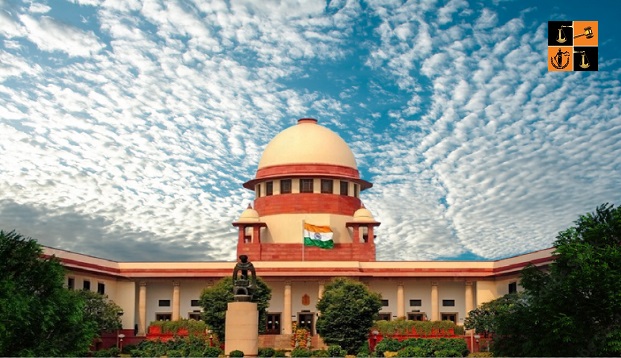
The Supreme Court closed its long-pending suo motu writ petition titled “In Re: Alarming Rise in the Number of Reported Child Rape Incidents”, after issuing comprehensive directions to ensure effective implementation of the Protection of Children from Sexual Offences Act, 2012 (POCSO Act). The Court emphasised that “timelines stipulated under the POCSO Act must be adhered to” and directed the Centre and States to ensure infrastructure, personnel, and procedural efficiency are in place for child abuse cases.
The Apex Court took suo motu cognizance of alarming media reports highlighting a surge in child rape cases across India. Consequently, the Court registered a writ petition to examine the implementation of the POCSO Act and streamline processes related to investigation, prosecution, and trial. Amicus Curiae and senior legal representatives were appointed to assist in formulating effective judicial directions.
Senior Advocate V. Giri, acting as Amicus Curiae, submitted that the delay in investigations and trials under the POCSO Act stemmed primarily from infrastructural deficits, particularly the lack of designated courts and delays in forensic reporting. He emphasised the urgent need for exclusive POCSO Courts in every district and suggested awareness campaigns to sensitise the public. Ms. Uttara Babbar, also assisting the Court, later submitted a detailed State-wise chart on the pendency of cases and status of compliance with the Court’s directions.
The Supreme Court, in its order dated 25.07.2019, laid down mandatory directions to be implemented by the Union of India and State Governments. The Court ordered, “In each district of the country, if there are more than 100 cases under the POCSO Act, an exclusive/designated special Court shall be set up, trying no other offences except those under the POCSO Act.” The Court further mandated that, “Such courts shall be funded by the Central Government under a dedicated scheme, covering appointments of Presiding Officers, Special Public Prosecutors, support personnel, and necessary infrastructure for child-friendly trials.”
Regarding support persons and public prosecutors, the Court directed that, “Only those sensitive to the needs of children and dedicated to child rights should be appointed, beyond mere academic qualifications.” The Court also approved the Amicus’s recommendation that, “A short awareness film regarding child abuse and legal remedies be compulsorily screened in movie halls and aired on television channels regularly, with the child helpline number displayed prominently.”
Addressing forensic delays, the Court observed, “We direct the Directors of State Forensic Science Laboratories to ensure prompt analysis and timely delivery of forensic reports in POCSO matters.”
On subsequent hearings, the Court noted serious concerns regarding the inadequate number of exclusive POCSO Courts and delays in filing charge sheets. States such as Tamil Nadu, Bihar, Uttar Pradesh, and West Bengal were identified as still falling short in establishing sufficient court infrastructure despite Central funding.
Concluding the proceedings, the Top Court stated that timelines under the POCSO Act, from investigation to trial, “must be adhered to as far as possible.” It directed both Union and State Governments to “sensitise officials handling POCSO matters, create more dedicated courts on a priority basis, and ensure that charge sheets are filed and trials completed within the statutory period.” The Court formally closed the suo motu proceedings, observing that the issue now rests on strict compliance by the executive machinery.
Picture Source :



















