









In the High Court of Kerala at Ernakulam, Honourable Mr. Justice Devan Ramachandran emphasized that no person could indefinitely occupy a commercial enterprise owned by the GCDA, and the authority must follow the law and tendering processes for allotment.
Brief Facts of the Case:
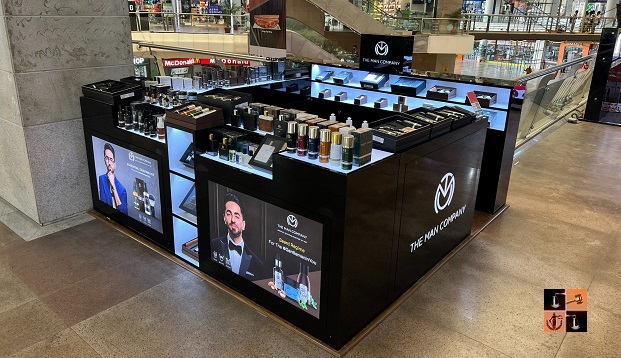
The case involves a petitioner named Kashyap Saigal, a 27-year-old individual. He was in possession of a 'Kiosk' that is owned by the Greater Cochin Development Authority (GCDA). The GCDA had initially allotted this 'Kiosk' to Kashyap Saigal for a period of one year in the year 2014. This allotment was made based on the petitioner's physical condition and the absence of any other source of livelihood. However, the license that was granted to the petitioner expired in the year 2015.
Despite the expiration of the license, Kashyap Saigal continued to operate the 'Kiosk' without being granted a renewed license. In response to his situation, the petitioner filed a representation (Ext.P9) before the 2nd respondent, which is the GCDA. The purpose of this representation was to request consideration of his case and to seek a resolution. The petitioner claimed that his right to continue operating the 'Kiosk' was constitutionally protected. He argued that his physical disability and his belonging to a scheduled caste entitled him to this protection
Contentions of the Petitioner:
Kashyap Saigal contended that he was in possession of a 'Kiosk' owned by the GCDA. He argued that although the license granted to him for the 'Kiosk' had expired in the year 2015, he had continued to operate it without being granted a renewed license. The petitioner filed a representation (Ext.P9) before the 2nd respondent, the GCDA. In this representation, he requested that his case be considered and resolved. Kashyap Saigal asserted that his right to continue operating the 'Kiosk' was constitutionally protected. He claimed that his physical disability and his belonging to a scheduled caste entitled him to this protection. The petitioner sought specific reliefs in the writ petition, including the consideration of his representation by the GCDA and the continuation of his operation of the 'Kiosk' in accordance with the terms of his previous allotment.
Contentions of the Respondents:
The respondents, represented by Sri M.K. Thankappan, contended that Kashyap Saigal could not continue to occupy the 'Kiosk' indefinitely merely on the basis of his physical condition or caste status. They emphasized that the GCDA intended to follow statutory requirements and auction the 'Kiosk.' They argued that the petitioner could participate in the auction process if he met the eligibility criteria. The respondents acknowledged the petitioner's physical condition, his scheduled caste status, and the fact that he had been operating the 'Kiosk' for a considerable period of time. They stated that these factors would be taken into account by the GCDA when making final decisions during the tendering process.
Observations by the Court:
In the judgment delivered by the Honorable Mr. Justice Devan Ramachandran in the High Court of Kerala at Ernakulam, several key observations and considerations were made. The court observed that no person, regardless of their credentials or attributes, could seek to remain in possession of a commercial enterprise under the Greater Cochin Development Authority (GCDA) ad infinitum. The court emphasized that the GCDA is expected to conduct its affairs in accordance with the law and to abide by tendering processes for the allotment of its stalls and Kiosks. The court acknowledged the legal obligations and requirements that the GCDA must follow in the allotment of stalls and 'Kiosks,' including conducting auctions as mandated by the statutory scheme. The court took note of the petitioner's argument that his entitlement to continue operating the 'Kiosk' was constitutionally protected. Specifically, the petitioner had mentioned his physical disability and his belonging to a scheduled caste as factors that should protect his rights.
Decision of the Court:
The court's decision provided a balanced resolution to the case. It allowed the GCDA to follow legal procedures for the allotment of the 'Kiosk' while also ensuring that the petitioner could continue operating it during the process. Additionally, the court emphasized the importance of considering the petitioner's circumstances and providing him with necessary preference during the proceedings.
Case Title: Kashyap Saigal vs. State of Kerala & GCDA
Case Details: Case Number: WP(C ) No. 2028 of 2015
Coram: Honorable Mr. Justice Devan Ramchandran
Advocate for the Petitioner: Adv. Sri R. Divakaran
Advocate for the Respondent: Advs.Sri C.A. Majeed, Sri Jayaprakash, Sri M.K. Thankappan
Read Judgement @LatestLaws.com:
Share this Document :Picture Source :



















