









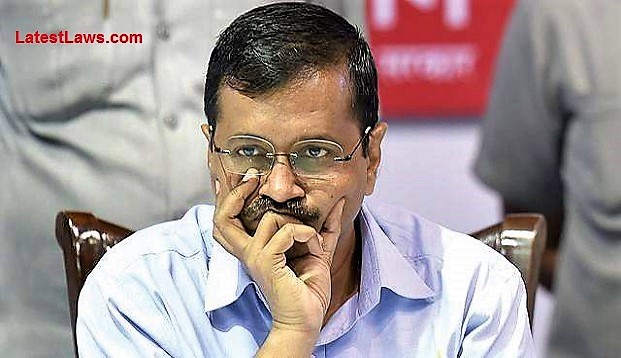
The Chief Justice Devendra Kumar Upadhyaya of the High Court of Delhi has declined a request by Arvind Kejriwal to shift a petition filed by the Central Bureau of Investigation challenging his discharge in the alleged excise policy corruption case from the bench of Justice Swarana Kanta Sharma to another judge. The decision clears the way for the matter to continue before the same bench, reaffirming that case allocation under the court roster cannot be altered merely on a litigant’s apprehension of bias.
The controversy stems from a petition filed by the CBI challenging a trial court order that had discharged several accused, including Kejriwal, Manish Sisodia and others, in the case concerning alleged irregularities in the 2021 excise policy of the Government of the National Capital Territory of Delhi.
The matter was listed before Justice Sharma, who issued notice on the CBI’s plea and observed that certain remarks made by the trial court about witness statements and the conduct of the investigating officer appeared questionable at the stage of framing charges. Kejriwal later approached the Chief Justice seeking administrative transfer of the case, arguing that earlier orders and remarks from the same bench had created a reasonable apprehension regarding neutrality.
Chief Justice Upadhyaya held that the petition had been assigned to Justice Sharma in accordance with the prevailing roster and emphasised that questions of recusal fall within the domain of the concerned judge rather than the administrative authority of the Chief Justice. Declining to interfere, the court stated, “I, however, do not find any reason to transfer the petition by passing an order on the administrative side.”
The request for transfer was therefore rejected, leaving the CBI’s challenge to the discharge order to proceed before Justice Sharma.
Picture Source :




















