









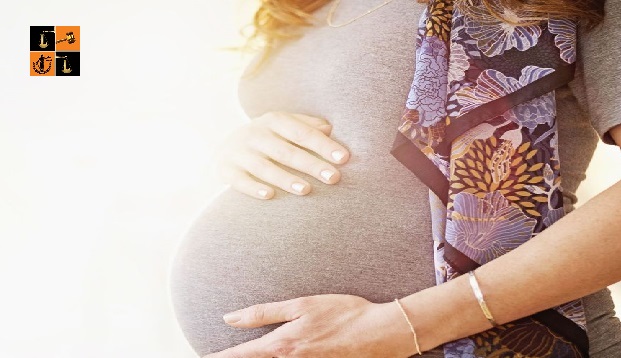
The Himachal Pradesh High Court has declared maternity leave as a fundamental human right, emphasizing the need to protect the dignity of motherhood and ensure social justice for women, motherhood, and childhood.
The Division Bench, comprising Justice Tarlok Singh Chauhan and Justice Virender Singh, dismissed a petition challenging the provision of "deemed" maternity leave benefits to a daily wage worker.
The case centered around a respondent who was denied the consequential benefit of work-charge status due to failing to meet the minimum requirement of working 240 days per year. However, the H.P. Administrative Tribunal granted her the benefit of deemed maternity leave, fulfilling the minimum requirement and associated benefits. The State challenged this order in the current petition.
The High Court meticulously examined various conventions, treaties, and constitutional provisions, highlighting the significance of motherhood. Article 21 of the Constitution of India guarantees every female and male employee, regardless of their appointment basis, the fundamental right to a reasonable duration of maternity leave, paternity leave, and child care leave (CCL) in accordance with Article 42. The Court referred to Article 25(2) of the Universal Declaration of Human Rights, emphasizing the entitlement of both motherhood and childhood to special care and assistance.
The Bench reiterated that denying maternity benefits to any woman, irrespective of her employment status, would violate the principles of equality enshrined in the Constitution. The Court stressed that maternity leave aims to protect the health and safety of both the woman and her child, and denying it would jeopardize their well-being and growth. The Bench further noted that maternity leave is a fundamental human right and its denial is in violation of Articles 29 and 39D of the Constitution of India.
The Himachal Pradesh High Court's judgment reaffirms the importance of providing maternity leave to all women, regardless of their employment status, ensuring that they have adequate time to recover and care for their newborns. This ruling sets a significant precedent and emphasizes the commitment to upholding the rights of women and promoting gender equality in India.
Read Order @LatestLaws.com:
Picture Source :




















