









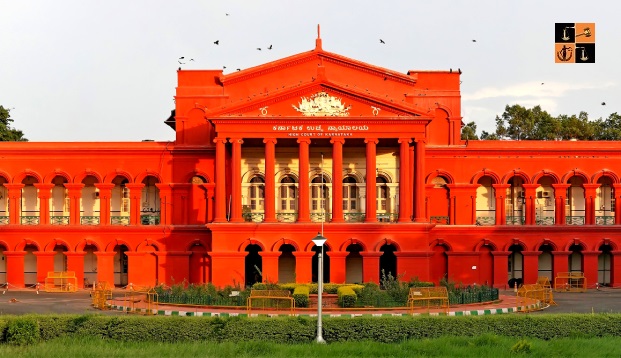
Recently, a policy dispute over workplace leave entitlements has reached the Karnataka High Court, with the Bangalore Hotels Association (BHA) instituting proceedings questioning the legality of the State’s recent directive mandating menstrual leave for women employees across multiple sectors. The petition contends that the executive order intrudes into organisational autonomy and lacks statutory backing under the labour laws invoked.
The case arose from a notification issued by the Labour Department on November 12, 2025, directing all establishments governed by the Factories Act, 1948, the Karnataka Shops and Commercial Establishments Act, 1961, the Plantations Labour Act, 1951, the Beedi and Cigar Workers Act, 1966, and the Motor Transport Workers Act, 1961 to grant one day of menstrual leave every month, amounting to 12 days annually, to all women employees, including permanent, contractual and outsourced personnel. Challenging this directive, the BHA filed a petition before the Karnataka High Court. The association highlighted that the State government itself has not extended similar leave benefits to women working in its departments, despite being one of the largest employers in the State.
The BHA argued that none of the statutes cited in the notification authorise the State to impose a compulsory menstrual leave regime on private establishments. It contended that leave policies are part of an organisation’s internal administrative domain and cannot be mandated without statutory empowerment.
While terming the order “discriminatory,” the petition submitted that the State cannot require private establishments to implement a policy it has not adopted for its own workforce. Advocate B.K. Prashanth represents the association in the proceedings.
The matter is yet to be taken up for substantive hearing. According to P.C. Rao, honorary president of the BHA, the petition is expected to be listed shortly before a Bench headed by Justice Jyoti Moolimani. The Court will examine whether the government’s directive has statutory authority and whether the challenge raises issues of administrative overreach under the relevant labour enactments.
Source Link
Picture Source :




















