









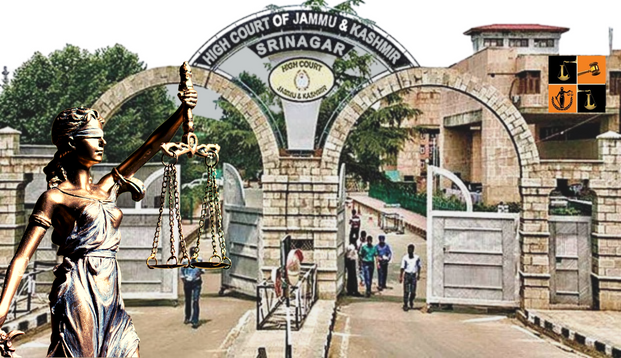
Recently, the High Court of Jammu & Kashmir and Ladakh examined a challenge to the selection and appointment of a Female Multipurpose Health Worker (FMPHW) under the National Health Mission in District Doda, where a candidate questioned her exclusion from the final select list despite being higher in merit.
The Petitioner had applied pursuant to an advertisement issued in March 2015 inviting applications for various paramedical posts, including the post of FMPHW at Sub-Centre Seel, Block Ghat, District Doda. She possessed the prescribed qualifications and participated in the selection process. After interviews and evaluation, a provisional selection list was issued in November 2017 in which the Petitioner was shown as selected for the concerned post. However, in April 2018, a final selection list was issued, replacing her name with that of another candidate on the basis of objections raised during the intervening period. Aggrieved, the petitioner approached the High Court seeking the quashing of the final selection and a direction for her appointment.
The Petitioner argued that she was significantly higher in merit than the selected candidate and that her removal from the provisional list was arbitrary and violative of Articles 14 and 16 of the Constitution. She contended that the objection against her candidature was based solely on the allegation that she had married outside the district, despite her continued residence at her parental home within the village concerned. The counsel submitted that the objections were accepted without granting her an opportunity of hearing, amounting to a breach of natural justice, and that eligibility ought to have been determined with reference to the cut-off date mentioned in the original advertisement.
The official Respondents and the selected candidate opposed the petition, asserting that an enquiry conducted after objections revealed that the Petitioner had married outside the district and was no longer a resident of the village. Reliance was placed on official records such as ration cards, voter lists, Aadhaar details, and an enquiry report to contend that she did not satisfy the preference criteria as revised by a corrigendum issued in May 2017.
The Court observed that while the Petitioner did not dispute her marriage outside the district, she relied primarily on a Panchayat certificate to claim continued residence in the village. In contrast, the respondents had produced official documentary evidence indicating that after marriage, her name did not figure in her father’s ration card or voter list and that her Aadhaar address reflected her matrimonial residence. The Court also noted that the enquiry conducted by the competent authority, which supported the respondents’ stand, had not been specifically challenged. It further held that the delay in the selection process was adequately explained and could not, in the absence of mala fides, invalidate the final decision.
Concluding that the Petitioner had failed to establish her entitlement under the applicable preference criteria and that the authorities had acted on credible official records, the High Court declined to interfere with the final selection. The writ petition was dismissed, and the appointment of the selected candidate was upheld.
Case Title: Sushma Devi Versus State of J&K & Ors.
Case No.: SWP No. 855/2018
Coram: Hon’ble Mr Justice Javed Iqbal Wani
Counsel for the Appellant: Adv. Rahil Raja,
Counsel for the Respondent: AAG Raman Sharma with Adv. Saliqa Sheikh and Adv. K. Nirmal Kotwal.
Read Judgement @LatestLaws.com
Picture Source :




















