









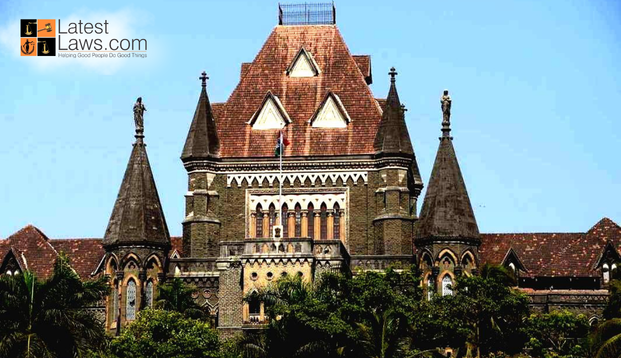
Recently, the Bombay High Court is examining an urgent PIL demanding comprehensive state protection for advocates across Maharashtra, a petition born out of a violent attack at the Kolhapur District Court complex that sent shockwaves through the bar. With assaults on lawyers reportedly on the rise, the Court is now squarely confronted with a critical question: can the ordinary provisions of criminal law adequately protect those who are themselves officers of the court, or does the justice system owe its own functionaries something far stronger?
The controversy began with bloodshed in a courthouse. The PIL, filed in the wake of a violent incident at Kolhapur's district court premises grave enough to simultaneously trigger a suo motu contempt petition by the High Court itself, raises two urgent demands: immediate security upgrades at the Kolhapur District Court complex, and a permanent legislative or judicial framework shielding advocates from violence, harassment, coercion, and criminal intimidation across the state. Petitioners, now joined by the Bombay High Court Kolhapur Bench Bar Association, argued through counsel Mr. Tejpal Ingale, Mr. Ganbavale, and Mr. Rajendra Mandlik that Maharashtra is witnessing a disturbing surge in attacks on lawyers, and drew the Court's attention to the newly enacted Telangana Protection of Advocates Act, 2026 as a legislative model worth emulating.
Amici curiae, Senior Advocate Rajiv Chavan and Advocate Satyavrat Joshi, both appointed by the Court itself, went further, placing before the bench a sweeping 21-point framework of interim directions covering everything from mandatory prior judicial scrutiny before any coercive police action against an advocate, to the creation of district-level Advocate Protection Committees headed by the District Collector, to compensation for victims of professional intimidation. The State and Union of India, however, urged restraint, with the Advocate General pointing out that a dedicated Advocate Protection Bill is already before the Law Commission for examination, and that the Court ought not to pre-empt that legislative process.
The bench was visibly persuaded of the gravity of the issue, even as it acknowledged the complexity of the legal arguments ahead. Accepting the amici's contention that advocates, as officers of the court, occupy a unique constitutional position, and that an assault on a lawyer is, in effect, an assault on the administration of justice itself, the Court noted the inadequacy of existing penal provisions to address the problem with the urgency it demands.
The bench took on record Senior Advocate Rajiv Chavan's detailed note of proposed directions, which declared in its opening principle that "it shall be the duty of the State, all police authorities, and all public authorities concerned to ensure that Advocates, who are the officers of the court, are able to discharge their professional duties freely, fairly, and without fear, intimidation, harassment, or interference."
Satisfied that the security situation at Kolhapur District Court is being actively addressed, with the PWD having submitted a proposal for a permanent police post within the complex, the Court narrowed the live controversy to the larger statewide question of advocate protection and legislative action, and stood the matter over to June 18, 2026 for full hearing.
Picture Source :



















