









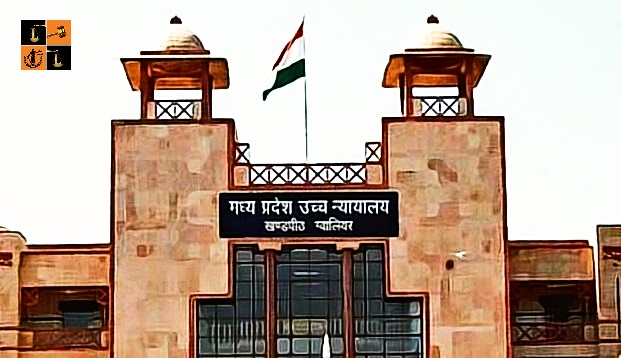
The Madhya Pradesh High Court, while hearing a Public Interest Litigation concerning unhygienic conditions in Gwalior due to unchecked garbage accumulation, directed the Municipal Corporation to treat sanitation and public hygiene as a mission. The Court emphasized that “time has come that all stakeholders must contemplate about creating Corporate Climate Responsibility Fund (CCR Fund),” highlighting the need for collective action in environmental governance.
The petition brought before the Court highlighted the grave sanitation crisis caused by piling garbage across the city and at the Kedarpur landfill. Reports submitted by the Municipal Corporation noted steps taken, including disciplinary actions against negligent staff, penalties on residents for improper waste disposal, and proposals for waste-to-energy and biogas plants along with a sanitary landfill project.
The Municipal Corporation contended that project reports for waste-to-energy and landfill sites had already been cleared by the State Level Technical Committee, with tendering and environmental approvals under process. It further submitted that 239 garbage collection vehicles were functional, though an additional 81 were required.
The amicus curiae proposed that industries and NGOs could contribute resources under CSR to bridge infrastructural gaps. It was further suggested that a separate account be created for sanitation-related funding through CSR contributions, fines, and donations. The State Pollution Control Board assured the Court of prompt clearance once formal approvals were received, while the State Government undertook to facilitate timely funding and permissions.
The Bench strongly emphasized the need for accountability and innovative mechanisms to ensure long-term solutions. It directed the Municipal Corporation, Gwalior, to undertake the sanitation project in mission mode and to launch city-wide awareness campaigns. The Court underlined that it was imperative for the Corporation to educate the public on the gravity of Gwalior’s waste management issues and the measures being implemented to address them.
Significantly, the Court noted that the time had come for all stakeholders to seriously consider the creation of a Corporate Climate Responsibility (CCR) Fund, dedicated to addressing challenges relating to environment, cleanliness, and public hygiene. Such a fund, the Court observed, could provide sustainable financial support for tackling recurring problems of urban sanitation.
In addition, the Court ordered strict action against negligent officials and mandated that officers remain accessible round-the-clock for grievance redressal. It further suggested engaging auto and e-rickshaw drivers as “Green Warriors” to spread awareness and encourage citizen participation in maintaining a clean and healthy environment.
The Court recorded compliance measures while issuing further directions to ensure that waste management projects are executed in mission mode. It stressed the importance of stakeholder participation, strict accountability, and establishment of the proposed CCR Fund to tackle environmental and sanitation challenges. The matter has been listed for further progress review on October 8, 2025.
Picture Source :




















