Sunday, 10, May, 2026
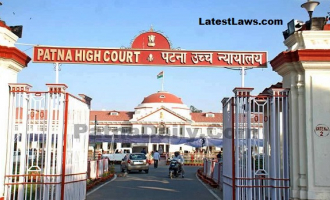
- Patna High Court lawyers announce abstention from work, cite ‘Insulting’ behaviour by judges
- Private property disputes must go to Civil Courts, not Minority Commission, Rules HC
- Drying and Roasting are diametrically different, HC faults customs in Areca Nuts Seizure Case
- SC allows treatment of contaminated imports but refuses automatic release
- Honest Officers Cannot be Penalised for Conducting Lawful Raids at IAS Officer-Linked Premises, says HC
- पहले ठगी फिर समझौता’ नहीं चलेगा, साइबर अपराध पर हाईकोर्ट सख्त, FIR रद्द करने से किया इनकार
- Technical Irregularities in Aadhaar Cannot Leave Citizens Remediless, Rules HC
- SC holds person Accused of Murder disqualified from inheriting Deceased’s Property | Read Judgement
- आधार अपडेट में आ रही दिक्कत? UIDAI को हाईकोर्ट से पड़ी लताड़, करोड़ों लोगों को मिलेगी राहत
- Can Courts Send Lawyers to Custody during Hearings? SC examines SCBA’s concerns over Young Advocate’s Custody
- Tamil Nadu Elections: Ex-IPS officer moves Apex Court against TN governor's refusal to invite TVK's Vijay to form Government
- Lawyers Cannot disrupt Judicial Proceedings in Name of Professional Disputes, says HC
- Supreme Court to hear plea on 11th May for regulation of all institutions imparting education to children aged below 14 years
- सोशल मीडिया पर विवादित स्टेटस लगाने वाले युवक को मिली जमानत, हाईकोर्ट का फैसला
- 5 हजार के संदिग्ध लेनदेन पर खाता कर दिया बंद, हाई कोर्ट ने बैंक को लगाई फटकार; अधिकारों की रक्षा पर दिया जोर