Monday, 18, May, 2026
- President Murmu approves Union Cabinet's decision to increase Supreme Court Judges' strength from 34 to 38
- एनएचआरसी, भारत ने ‘प्रवासी श्रमिकों के अधिकारों का संरक्षण: सरकार और निजी क्षेत्र की साझा जिम्मेदारी’ पर अपनी कोर ग्रुप बैठक आयोजित की
- NHRC, India organises its core group meeting on ‘Protecting Migrant Workers' Rights: Shared Responsibility of Government and the Private Sector’
- विधि द्वारा निषिद्ध विवाह का विकल्प नहीं बन सकता लिव-इन रिलेशनशिप : इलाहाबाद उच्च न्यायालय
- Live-In Relationship Cannot Circumvent Child Marriage Law: Allahabad High Court
- पटना उच्च न्यायालय ने बिहार के कारागारों एवं मानसिक चिकित्सालयों में स्वास्थ्य सेवाओं पर स्वतः संज्ञान लिया; स्वस्थ हो चुके रोगियों को जबरन रोके रखना मानवाधिकार उल्लंघन घोषित
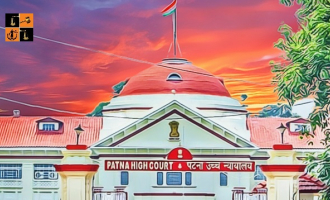
- Patna High Court Takes Strong Suo Motu Cognisance of Mental Healthcare in Bihar Prisons and Hospitals; Declares Detaining Cured Patients a Human Rights Violation
- जम्मू-कश्मीर उच्च न्यायालय ने जम्मू-कश्मीर बैंक अधिकारियों के विरुद्ध बीमा सौदे में दर्ज भ्रष्टाचार-निरोधक प्राथमिकी रद्द करने से इनकार किया
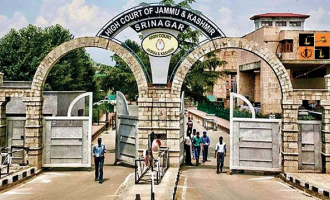
- J&K High Court Grants Bail to Doctor Accused of Attempt to Rape at Government Health Centre; Invokes "Bail Not Jail" Principle
- जम्मू-कश्मीर उच्च न्यायालय ने सरकारी स्वास्थ्य केन्द्र पर बलात्कार के प्रयास के आरोपी चिकित्सक को जमानत दी; "जमानत दो, जेल नहीं" का मूल सिद्धांत
- J&K High Court Refuses to Quash Anti-Corruption FIR Against J&K Bank Officers in Insurance Deal
- JOB POST: Fresh Graduate Positions at DJS Legal, Gurugram [Onsite; 4 Vacancies; Salary Upto Rs. 35k]: Apply Now!
- Internship Opportunity at JJSR Legal Partners LLP, Delhi [Online]: Apply by May 31!
- जेएसएससी को हाईकोर्ट का झटका: लेडी सुपरवाइजर भर्ती में अभ्यर्थियों की उम्मीदवारी रद्द करने का आदेश निरस्त
- Gas Supply By Reliance | SC Clarifies taxation of inter-State sales lies exclusively within constitutional domain of Union