Saturday, 25, Apr, 2026
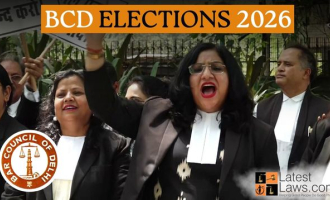
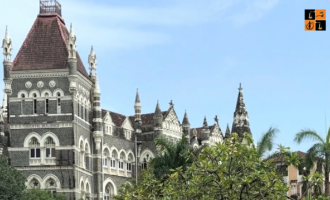
- Bar Council of Delhi Elections 2026: Eliminated and Suspended Candidates stall start of the Counting process in Delhi HC, manhandle returning officers
- HC expounds: Expression 'f*** off' in a workplace email, though 'uncouth and discourteous', does not amount to sexual harassment
- पति को ठुकराया, प्रेमी के साथ रहने की जिद:8 साल की शादी टूटी; कोर्ट ने कहा- तलाक होने तक मायके में रहेगी महिला
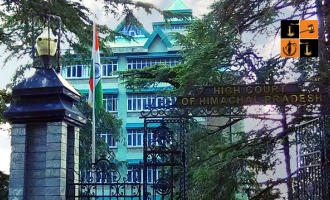
- 'भारत एक सेक्युलर देश, इसका मतलब यह नहीं...', हाईकोर्ट बोला- शंकराचार्य भारतीय दर्शन के सबसे सम्मानित आचार्य
- जरा पास आओ... शख्स ने महिला से बोली यह बात, हाईकोर्ट पहुंचा मामला, जज साहब ने सुनाया यह फैसला
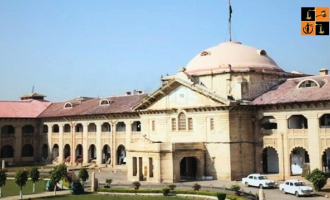
- हाईकोर्ट ने कहा- आवेदन के समय अविवाहित बेटी अनुकंपा नियुक्ति की पात्र, जानें पूरा मामला
- हाईकोर्ट ने कहा- आवेदन के समय अविवाहित बेटी अनुकंपा नियुक्ति की पात्र, जानें पूरा मामला
- 'बालिग कपल का पीछा नहीं, अपराधों की जांच करें', हाईकोर्ट ने यूपी पुलिस को दी ये नसीहत
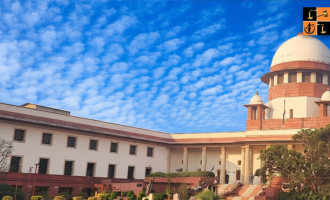
- बांग्लादेश भेजे गए लोगों की वापसी पर सुप्रीम कोर्ट सख्त, केंद्र सरकार से मांगा स्पष्ट जवाब
- सुप्रीम कोर्ट से झारखंड सरकार को झटका, ED अधिकारियों पर मारपीट मामले में CBI जांच रहेगी जारी
- सज्जन कुमार को सुप्रीम कोर्ट से राहत नहीं, पत्नी से मिलने की जमानत याचिका खारिज
- Internship Opportunity at The Indian Journal for Research in Law and Management [Online; 1 Month]: Apply by May 4
- National Virtual Intellectual Property Rights Essay Writing Competition 2.0, 2026 by CAIPR, HPNLU Shimla [Cash Prizes of Rs. 15k]: Submit by May 25
- Inter-University Debate Competition 2026 by Pro Bono Club, School of Legal Studies, K.R. Mangalam University [Online; April 30; Cash Prizes of Rs. 3.7k]: Submit Now!
- 1st Justice J.S. Verma National Blog Writing Competition 2026 by Uttar Pradesh State Institute of Forensic Science (UPSIFS), Lucknow [Online; Cash Prizes Upto Rs. 5k + Internship]: Submit by May 22