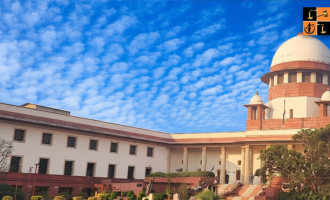
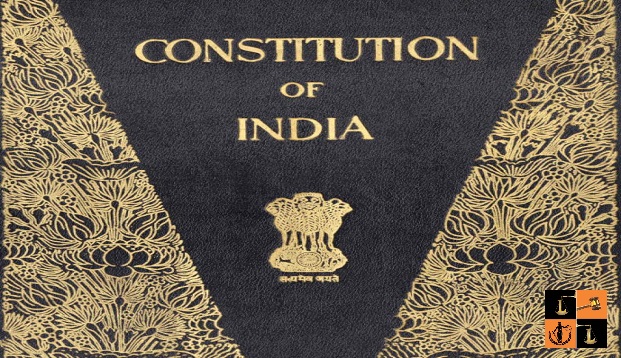
Today, we celebrate the document that gave shape, direction and soul to modern India. On this day in 1949, the Constituent Assembly adopted the Constitution of India, our supreme law, our moral compass and the bedrock upon which our democratic republic rests. Constitution Day / Samvidhan Divas reminds us that a nation is not built merely through borders, governments or institutions, but through shared values, collective dignity and the enduring principles of justice, liberty, equality and fraternity.
The story of our Constitution is one of remarkable vision and patient deliberation. Its seeds were sown in the 1930s, when the idea of self-governance began to gather strength even under the shadow of colonial rule. When the Constituent Assembly met for the first time on 9 December 1946, it brought together reformers, freedom fighters and representatives from across the subcontinent. Over the next three years, they debated fiercely, disagreed honestly and worked tirelessly to answer questions fundamental to nation-building. How should power flow between the Union and the States? How do we protect individual freedoms while ensuring unity? How can equality be guaranteed in a society deeply scarred by discrimination? Every article of the Constitution emerged through thoughtful argument and reasoned consensus, never through silence or imposition.
Dr. B. R. Ambedkar, who laid the very foundation of our Constitution, stood at the centre of this monumental task as the Chairman of the Drafting Committee. His brilliance, clarity of thought and unwavering belief in constitutional morality became the guiding force that steered the Assembly through its most complex discussions. Under his steady leadership, the Constitution grew into a document that harmonised parliamentary democracy with strong fundamental rights, balanced federalism with national unity and upheld liberty alongside the pursuit of social justice. Working with him were leaders such as Jawaharlal Nehru, Sardar Vallabhbhai Patel, Rajendra Prasad and many others, whose debates, convictions and shared resolve helped shape the spirit of the Constitution. Their collective vision finds its most powerful expression in the Preamble, which describes India as a sovereign, socialist, secular and democratic republic, a promise we continue to uphold each day.
Though 26 November had long been known informally as National Law Day, it was formally recognised as Constitution Day in 2015, during the 125th birth anniversary of Dr. Ambedkar. The aim was not only to commemorate a historic moment, but to deepen public understanding of constitutional values and remind each generation that rights remain alive only when citizens are aware, engaged and responsible.
Across India today, schools, colleges, courts and institutions read the Preamble aloud, hold discussions and reflect on the true meaning of freedom. They remind themselves that the Constitution is not just a document preserved in books, it is a living guide that breathes through our actions, our respect for law, our fight for justice and our willingness to uphold duties with the same sincerity with which we claim our rights. A democracy flourishes when citizens question, participate, safeguard freedoms and refuse to accept injustice in any form.
Let us use this day not just to remember history, but to carry forward its purpose. Let us honour the vision of the framers by working towards an India that is equal, inclusive, compassionate and free.