The Author, Raj Pipara is a 3rd year law student from the University of petroleum and energy studies, Dehradun. He is currently interning with LatestLaws.com.
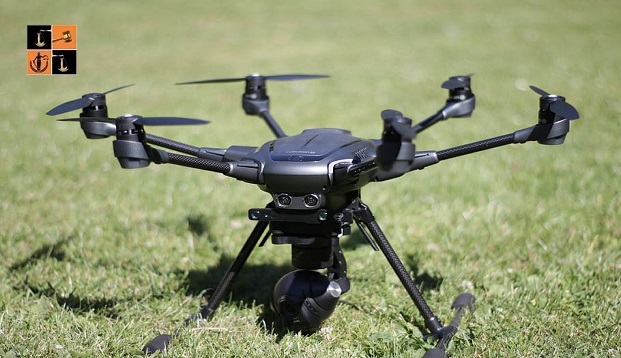
The Drone Rules 2021 were released for public consultation by the government on 15th July 2021. The rules came into effect on 25th August 2021 and seeks to revamp the regulatory regime for drones. These rules are more permissive and have improved the ease of doing business from the previous two iterations of regulations on drones. This article summarises the provisions of the Drone Rules, highlights takeaways for drone operators and manufacturers, and provides a summary of how these changes will impact your business operations.
Drone technology has advanced significantly in recent years, and drones are now used for a wide variety of purposes, including recreational flying, commercial photography, and even military operations. With the increasing popularity and use of drones, it is important that there are clear rules and regulations in place to ensure their safe and responsible operation. In the United States, the Federal Aviation Administration (FAA) is responsible for regulating the use of drones.[1] The FAA has developed a set of rules and regulations that apply to all drones, regardless of their size or intended use. These rules are known as the "Part 107" rules, and they apply to all drone operations that are conducted within the United States.[2]
Some of the key rules and regulations related to drones in the United States include:
- Drones must be registered with the FAA if they weigh more than 0.55 pounds (250 grams).
- Drones must be operated in a safe and responsible manner, and pilots must maintain a visual line of sight with the drone at all times. Drones may not be flown over people unless they are part of the operation or are located under a covered structure.
- Drones may not be flown in controlled airspace without prior authorization from the FAA.
- Drones may not be flown at an altitude of more than 400 feet above the ground unless they are flying in Class G airspace.
In addition to these rules, the FAA also has guidelines for the operation of drones for specific purposes, such as commercial photography, inspection of critical infrastructure, and emergency response operations.[3]
In India, the use of drones is regulated by the Directorate General of Civil Aviation (DGCA), which is responsible for the safety and security of air transportation in the country. The DGCA has developed a set of rules and regulations for the operation of drones, known as the "Civil Aviation Requirements for Remotely Piloted Aircraft Systems (RPAS)" or "Drone Regulations." These regulations apply to all drones and drone operators in India, regardless of the size or intended use of the drone.[4]
Some of the key rules and regulations related to drones in India include:
- Drones must be registered with the DGCA if they weigh more than 250 grams.
- The new administration will make using drones much easier than before. With single-window online registration of all drones and their operation through the Digital Sky platform, operators will be able to register and operate drones without having to seek their own permissions from other departments.
- The regulator has set a deadline for issuing Type Certificates and the interactive map on the Digital Sky Platform. The deadline is within 75 days of the application being submitted and within 30 days of the rules being notified.
- Due to the level of risk drones pose, new regulations may mandate their inclusion of safety features. These regulations could require that drones cannot be operated with a person standing on the ground or if they are flying low enough to be hit by pedestrians. It is possible that these regulations will only come into effect if these safety features prove ineffective.
- Drones must be operated in a safe and responsible manner, and pilots must maintain a visual line of sight with the drone at all times.
- All drone operators except those operating nano drones or micro drones for non-commercial purposes need to obtain a Federal Aviation Administration (FAA) remote pilot license. The basic requirements for the U.S. pilot license are complete training from an authorised remote pilot training organisation; pass the knowledge test; and for those over 14 years of age, pass standard vision deviation and aeromedical testing.
- Drones may not be flown over people or populated areas unless they are part of the operation or are located under a covered structure.
- Drones may not be flown within 5 kilometers of an airport or within 1 kilometer of a helipad.
- Drones may not be flown higher than 400 feet above the ground unless they are flying in Class G airspace.
Overall, the rules and regulations related to drones in India are designed to ensure the safe and responsible operation of these devices and to protect people and property on the ground. It is important that all drone pilots in India familiarize themselves with these rules and follow them to ensure the safety of themselves and others.
Criticism
There have been some criticisms of drone regulations in India. One of the main criticisms is that the rules are overly restrictive and do not adequately take into account the potential benefits of drones. For example, some have argued that the rules around flying drones over people and populated areas are too strict and do not allow for the use of drones in a variety of applications, such as the delivery of medical supplies or emergency response operations. Another criticism of the drone regulations in India is that they are not consistently enforced, which has led to confusion and uncertainty among drone operators. There have been reports of people being fined or arrested for operating drones without a permit, even in cases where they were not aware that a permit was required. This has led to concerns that the regulations are not being fairly applied and that innocent people may be caught up in the enforcement of the rules.
Some have also argued that the rules related to the operation of drones for commercial purposes are too burdensome and do not adequately take into account the potential benefits of using drones in a variety of industries. For example, there are strict requirements for the training and certification of drone pilots, which can be costly and time-consuming. This has led to concerns that the rules may discourage the use of drones for commercial purposes, even in cases where they could be used safely and effectively. Overall, while there is a need for regulations to ensure the safe and responsible operation of drones, it is important that the rules are reasonable and take into account the potential benefits of drones as well as the potential risks.
Conclusion
The rules are intended to greatly improve the ease of doing business in the sector by reducing the number of clearances and compliance requirements for registration as well as the fees to be paid. Single window clearance will also make it much easier to own and operate drones. The rules have omitted a number of onerous hardware and software requirements mandated in previous versions of the regulations, such as geo-fencing capability, No Permission No Take-off compliant hardware, and a 360-degree collision avoidance system. In a change to current drone regulations, the government has announced that it will allow operators to fly drones within a 20km radius of a specific area. This has significant implications for drone operations and also poses challenges for operators as it does not allow them to use separate sites in order to avoid congestion of flights. Separately, the rule does not specify how close an operator can get to a person or aircraft so further restrictions are likely required.
References: