









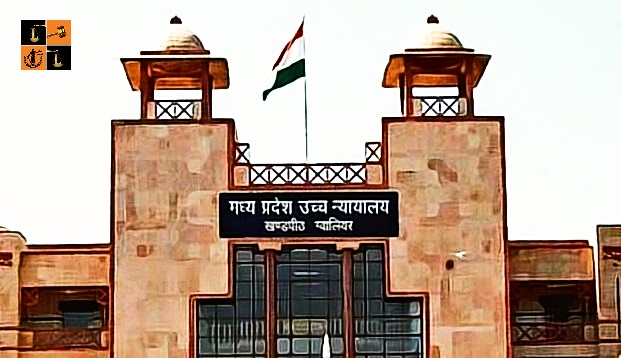
The Madhya Pradesh High Court dismissed a petition seeking compensation under the SC/ST (Prevention of Atrocities) Act, 1989, holding that a victim who turns hostile during trial and leads to acquittal of the accused cannot claim relief. The case pertained to alleged offences of rape and gang rape, and the Court observed that the statutory scheme of compensation is contingent upon active participation of the victim in the prosecution of the offence.
The petitioner, belonging to the SC/ST community, approached the court seeking the full relief amount under the SC/ST (Prevention of Atrocities) Act, 1989, and the related Rules, 1995. She alleged that offences including rape and gang rape were committed against her. While partial relief was initially paid by the Tribal Welfare Department, the petitioner claimed the balance amount. The trial in the matter concluded with the petitioner turning hostile, and the accused were subsequently acquitted.
The petitioner contended that she was entitled to the full relief amount of Rs. 8,25,000 as prescribed under the Rules, which provides staged payments to victims of atrocities including gang rape. She relied upon Rule 12(4) of the SC/ST Rules, 1995, which allows relief in cash or kind to victims and their dependents.
The Court noted that Rule 12(4) requires a victim to actively participate in the prosecution of offences to claim relief. In the present case, the petitioner had not submitted a confirmatory medical report, which is necessary for the first installment. More critically, she turned hostile during the trial, resulting in acquittal of the accused. The Court observed, "Once the petitioner had turned hostile before the lower Court and had not supported the prosecution case, and the trial ended in acquittal of the accused, she would no longer fall within the definition of a 'victim of atrocity' under Rule 12(4). Compensation is contingent upon prosecution of offences and victim's active participation in bringing offenders to justice."
The Court further referred to the Delhi High Court’s decision in Balbir Meena v. State (NCT) of Delhi, noting, "Compensation under the Act is intrinsically linked to the continuation of legal proceedings. If the victim turns hostile and effectively settles the matter with the accused, the foundational premise of victimization is negated. The State should not be compelled to disburse funds when the intended purpose of supporting a victim through prosecution is no longer applicable."
In light of the petitioner’s actions and the acquittal of the accused, the Madhya Pradesh High Court dismissed the petition, holding that she was not entitled to any further relief under the SC/ST (Prevention of Atrocities) Act, 1989, and the Rules, 1995. The court emphasized that compensation is meant to facilitate justice during prosecution, not as a reward for settlement or withdrawal of the complaint.
Picture Source :



















