









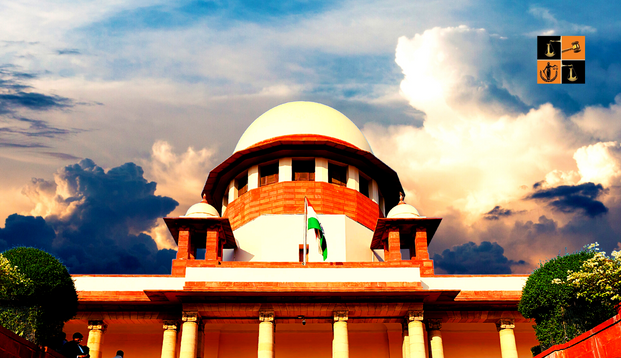
On Thursday, the Supreme Court of India, declined to suspend the life imprisonment sentence of a doctor convicted under the Protection of Children from Sexual Offences Act, 2012 (POCSO Act) for the rape of his seven-year-old daughter. The decision, delivered by a bench comprising Justice B V Nagarathna and Justice Satish Chandra Sharma, reflects the judiciary’s firm commitment to prioritizing the credibility of a minor victim’s testimony in cases of grave sexual offenses.
The case originates from a conviction by a trial court in Varanasi, where the accused, a medical professional, was found guilty of raping his minor daughter. The court imposed a sentence of life imprisonment under the POCSO Act, a legislation enacted to safeguard children from sexual abuse and exploitation. The accused appealed the conviction before the Allahabad High Court, where his appeal remains pending. Seeking interim relief, he approached the Supreme Court with a plea to suspend his sentence and grant bail, citing delays in the appellate process and alleging that he was falsely implicated.
The petitioner’s counsel argued that the accusations were fabricated, stemming from marital discord with his wife, who is also a doctor. It was contended that the wife had coached the minor victim to testify against her father. The defence further highlighted a delay of three months in the medical examination of the victim, which revealed no physical injury marks, to challenge the prosecution’s case.
The Supreme Court bench, unmoved by the defence’s arguments, placed significant weight on the victim’s testimony. The bench observed, “The man became a beast. Please don’t force us to say anything more... She testified against her father. Why should we disbelieve her.”
The Court found no basis to question the reliability of the minor’s statement, noting that she had withstood cross-examination. Addressing the petitioner’s concerns about prolonged delays in the Allahabad High Court, the bench acknowledged the backlog but remained firm, stating, “This is the most liberal bench and if we are not granting bail it means there is something. We cannot help it.”
The Supreme Court dismissed the plea for suspension of the life sentence and bail, holding that the gravity of the offense precluded such relief. The bench emphasized the accused’s actions disentitled him to bail, given the nature of the crime committed against his own daughter. However, the Court granted liberty to the petitioner to file a fresh bail application after some time, indicating a potential for future consideration without committing to specific relief.
Picture Source :




















