









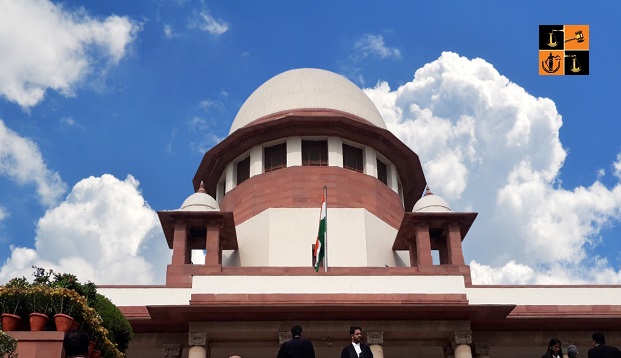
The Supreme Court took a significant step to protect electoral rights by directing the Bihar State Legal Services Authority to provide free legal assistance to individuals whose names have been excluded from the final electoral rolls during the Bihar Special Summary Revision (SIR). The Bench comprising Justice Surya Kant and Justice Joymalya Bagchi issued an interim order emphasizing that no voter should be deprived of the statutory right to appeal due to lack of legal support.
The Court instructed the Authority to immediately mobilize District Legal Services Authorities and deploy paralegal volunteers and legal aid counsels across villages to assist excluded persons in drafting and filing appeals, especially with the appeal period nearing its end. It was further clarified that this protection would extend even to those who were not included in the draft rolls, thereby casting a wider safety net over all affected citizens.
During the proceedings, Senior Advocate Rakesh Dwivedi, appearing for the Election Commission of India, disputed allegations that voters included in the draft list were arbitrarily removed in the final roll. Referring to a specific example raised by the petitioners, he stated that the individual in question never appeared in the draft list owing to non-submission of the necessary enumeration form. He contended that a false affidavit had been placed on record and warned that such inaccuracies could amount to perjury, urging petitioners to verify all materials before presenting them in Court. He added that affected individuals still had five days available to file appeals and suggested that instead of levelling allegations, petitioners should aid voters in accessing appellate remedies.
The Court expressed displeasure with the submission of an unverified affidavit by the petitioners, cautioning that documents handed across the bar must carry a higher degree of authenticity. Justice Surya Kant questioned why excluded voters had not directly availed the statutory appeal process, while Justice Bagchi cast doubt on the reliability of the remaining affidavits submitted, given the credibility issue in the present instance. Advocate Prashant Bhushan, representing ADR, stated that other affidavits had been collected and suggested that the Legal Services Authority could verify them, though the Bench remained cautious due to the present discrepancy.
The case has been closely monitored against the backdrop of widespread concerns over the potential exclusion of nearly sixty-five lakh electors in Bihar’s revision process. Earlier, the Apex Court had directed the Election Commission to allow Aadhaar, Ration Cards and EPIC as supporting documents for inclusion and had required the publication of excluded voters' names along with reasons on official platforms. It had also allowed the filing of re-inclusion applications through online mode and clarified that Aadhaar may serve as proof of identity but not of citizenship. During previous hearings, the Court also sought clarity on whether newly added voters were those earlier deleted or constituted entirely fresh entries.
By mandating proactive legal aid through government mechanisms, the Top Court reaffirmed that procedural barriers cannot be allowed to result in democratic exclusion. The interim order strengthens the right to be heard and ensures that every individual affected by electoral revision has access to a fair opportunity to challenge their exclusion.
Disclaimer: This news/ article includes information received via a syndicated news feed. The original rights remain with the respective publisher.
Picture Source :



















