









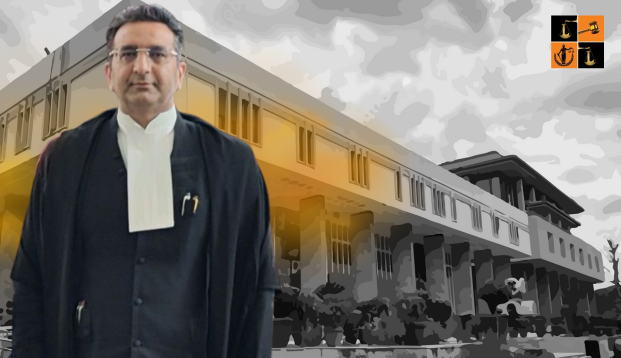
The Delhi High Court took up a petition filed by a senior advocate and political leader seeking urgent relief to remove social media content he claims is defamatory. The posts in question emerged after a video of his recent appearance on a TV debate went viral, allegedly compromising his privacy and reputation. The Court indicated it would examine the matter carefully, especially the posts containing explicit and offensive language, before deciding on interim measures.
The matter arises from an incident on September 12, when the petitioner participated in a live debate on a news channel from his residence. During the broadcast, a cameraman inadvertently captured footage of him sitting in casual attire at home, which was subsequently circulated on various social media platforms. Several posts and videos went viral, allegedly including derogatory references to the petitioner’s private parts and using offensive terminology in public discourse.
The petitioner’s counsel submitted that the viral content constitutes a violation of privacy and is defamatory in nature. It was argued that the petitioner was within the confines of his home, in casual attire, and had not consented to the dissemination of such images or videos. Particular emphasis was placed on posts by political organizations and individuals, including media houses, which allegedly used offensive language and AI-generated manipulations to defame him. The petitioner contended that these statements were highly derogatory, suggesting improper conduct, and demanded their removal from all platforms.
Justice Amit Bansal acknowledged the need for individuals in politics to tolerate criticism and satire but clarified that personal attacks and explicit language targeting an individual cross the line. The Court noted, “Satirical comments are permissible, but posts with references to ‘male private parts’ and other offensive remarks cannot be condoned.” The Court directed the petitioner to provide a detailed list of all URLs containing the allegedly defamatory content for careful review.
During the proceedings, the Court emphasized the importance of distinguishing between legitimate satire and content that constitutes personal defamation. It also observed that some links flagged in the petition did not pertain to the case, highlighting the necessity of precise documentation before any interim orders are issued.
The Court scheduled the matter for further hearing on Thursday to examine the compiled list of offending URLs and decide on interim relief. Google’s counsel was instructed to assist in segregating satirical remarks from personally targeted attacks. Justice Bansal referenced recent Supreme Court guidance cautioning against ex parte orders in such matters, underscoring the need for a measured and meticulous approach.
The case underscores the delicate balance between freedom of expression, satire, and the protection of individual privacy and reputation on social media platforms. The High Court’s careful scrutiny highlights that while public figures must tolerate a degree of criticism, personal defamation, especially involving offensive or explicit content, is actionable and will be addressed judicially.
Picture Source :



















