









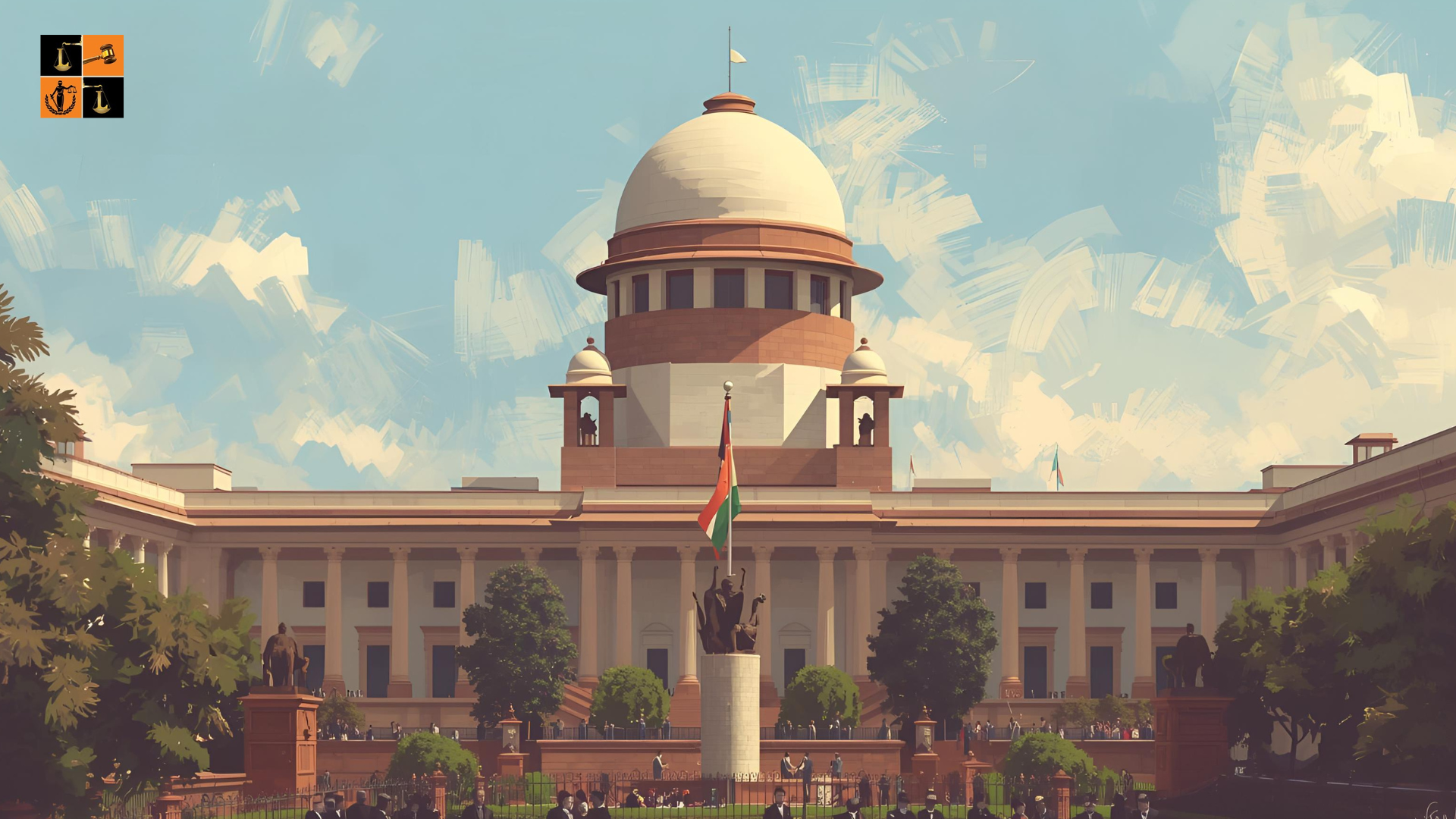
The Supreme Court declined to entertain a public interest litigation seeking a countrywide prohibition on constructing or naming any mosque after Babur or “Babri Masjid.” A Bench of Justice Vikram Nath and Justice Sandeep Mehta rejected the plea at the threshold, effectively shutting down attempts to secure judicial backing for a blanket restriction on religious structures linked to historical figures.
The petitioner had urged the Court to restrain authorities across India from permitting the construction or naming of any mosque after Babur, portraying him as an invader and alleging historical wrongs. The plea gained attention amid controversy in West Bengal, where former Trinamool Congress leader Humayun Kabir had announced plans to build a Babri Masjid in Murshidabad.
The petition sought sweeping directions applicable nationwide, arguing that such naming practices were objectionable and should not be allowed. However, it did not anchor its challenge in any specific statutory violation.
Refusing to intervene, the Bench declined to entertain the petition, offering no scope for further examination of the broad relief sought. The Court’s stance aligns with its consistent position that ideological or historical disagreements cannot, by themselves, form the basis for judicially mandated prohibitions.
In its landmark 2019 verdict in the M. Siddiq (D) Thr. Lrs v. Mahant Suresh Das, the Court had described the 1992 demolition of the Babri Masjid as an “egregious violation of the rule of law” while directing allotment of alternate land for a mosque in Ayodhya, underscoring that remedies must rest within constitutional boundaries.
Picture Source :



















