









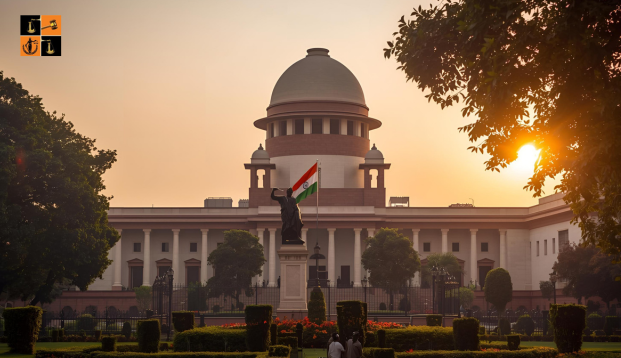
On Thursday, the Supreme Court ruled that any failure to disclose a conviction, even for a minor offence that has been overturned by a higher court, in a candidate’s election nomination form can lead to disqualification. The judgment highlighted that the law requiring disclosure of criminal antecedents applies in full force, regardless of the nature of the offence.
A municipal councillor in Bhikangaon, Madhya Pradesh, was convicted in a cheque bounce case under Section 138 of the Negotiable Instruments Act, 1881, and was sentenced to one year of imprisonment along with a direction to pay compensation. However, the conviction was not disclosed in the nomination form. Later, the conviction was set aside by a higher Court.
The candidate argued that since the conviction was overturned, the election could not be challenged or set aside on the basis of a conviction that no longer existed. It was contended that the non-disclosure should not affect the validity of the election.
The Division Bench of Justice P. S. Narasimha and Justice A. S. Chandurkar rejected the plea, noting that even if the offence is minor or does not involve moral turpitude, non-disclosure of a conviction creates an impediment to the free exercise of electoral rights by voters. Justice Chandurkar observed that voters are deprived of the ability to make an informed choice when candidates suppress relevant information. The court emphasised that failing to disclose criminal antecedents can result in undue influence and materially affect the fairness of the election.
The Court held that the failure to disclose the conviction violated Rule 24-A (1) of the Madhya Pradesh Nagar Palika Nirvachan Niyam, 1994. The nomination form was improperly accepted, rendering the election void. The court further noted that the candidate contested the subsequent bypoll and lost.
Disclaimer: This news/ article includes information received via a syndicated news feed. The original rights remain with the respective publisher.
Picture Source :



















