









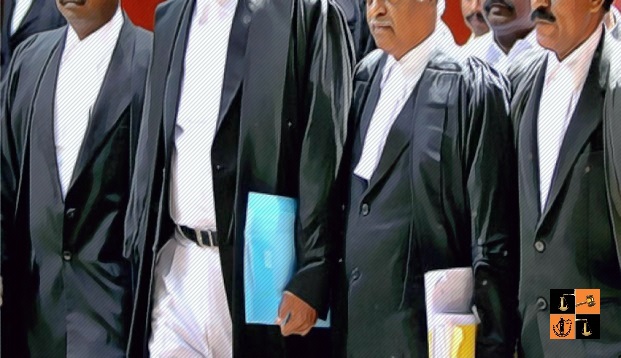
The bench comprising Chief Justice B.R. Gavai and Justice K. Vinod Chandran considered the writ petition filed by Advocate Shaffi Mather. The Court, at the outset, sought clarification on whether the petition arose from any specific instances where individuals faced coercion or duress during questioning. Justice Chandran asked whether there were concrete cases necessitating counsel during interrogation.
Senior advocate Maneka Guruswamy, representing the petitioner, highlighted that ensuring the presence of a lawyer while being questioned is crucial from a public interest perspective. She explained that legal counsel helps determine whether certain questions may be self-incriminating. The Court directed the petitioner to cite relevant examples. In response, Guruswamy referred to the India: Annual Report on Torture 2019 by the National Campaign Against Torture, which documents prevalent trends of custodial abuse and impunity in the country. Considering these concerns, the bench issued notice in the matter.
The petition asserts that restricting access to legal counsel during questioning violates fundamental rights under Articles 20(3), 21, and 22 of the Constitution and increases the risk of custodial violence, torture, and even death. It contends that the current selective or partial permission for counsel not only undermines the right to legal assistance but also compromises due process, fair investigation, and fair trial guarantees. The plea specifically criticizes practices under statutes like the Prevention of Money Laundering Act (PMLA) and Narcotic Drugs and Psychotropic Substances Act (NDPS), where counsel may be present only in a limited, non-participatory capacity, thereby perpetuating coercive interrogation methods.
The petitioner seeks a declaration that the presence of legal counsel during interrogation or questioning by the State, police, or investigating agencies is a non-discretionary and non-derogable right. The plea further urges that statutory provisions, including Section 41D of the CrPC, Section 38 of BNSS, and Section 50 of PMLA, be interpreted to ensure this right. Guidelines are requested to ensure unhindered access to counsel during questioning, to uphold fundamental rights under Articles 20(3), 21, and 22(1), and to mandate notice of the right to remain silent and the right to legal representation for all individuals subjected to interrogation. The petitioner also seeks any further directions that the Court may deem necessary in the interest of justice.
The Supreme Court’s notice signals the Apex Court’s intention to scrutinize procedural safeguards for interrogated individuals, ensuring that constitutional protections against self-incrimination and coercive practices are rigorously enforced.
Disclaimer: This news/ article includes information received via a syndicated news feed. The original rights remain with the respective publisher.
Picture Source :




















