









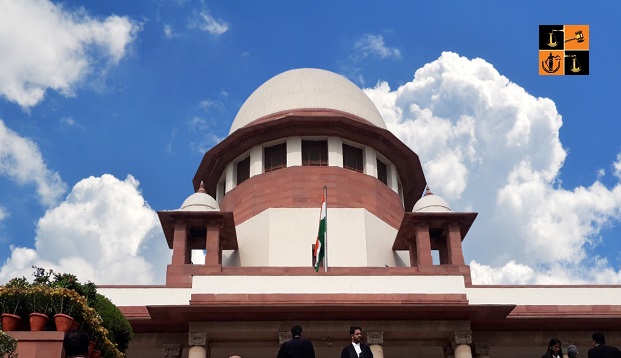
On Monday, the Supreme Court recently revisited a decades-old disciplinary case against a Travelling Ticket Examiner (TTE), probing whether procedural lapses and untested evidence can form the basis of serious misconduct charges.
The case arose from a vigilance inspection during which the railway employee, serving as a TTE, was accused of demanding illegal gratification, carrying excess cash, failing to recover fare difference, and forging a duty pass. The disciplinary authority imposed dismissal after an enquiry held all charges proved, which was later upheld in appeal. The Central Administrative Tribunal (CAT), however, quashed the dismissal and directed reinstatement, but the High Court reversed this decision.
The Appellants argued that the High Court erred in setting aside a well-reasoned CAT order and that the disciplinary authority mechanically adopted the Enquiry Officer’s findings. They emphasized that the main complainant was never examined, other witnesses did not support the allegations, and no concrete evidence or expert report substantiated the charges. The Respondents maintained that the enquiry followed due process and that non-examination of one witness did not invalidate the proceedings.
The Court found that the enquiry relied on untested and contradictory statements. The principal complainant was not examined, and other witnesses failed to corroborate the allegations. The Bench also noted that the alleged excess cash had been duly deposited, and no evidence or official rule was cited to show misconduct. The charges of forgery and fare non-recovery were unsubstantiated, lacking documentary proof or expert opinion.
Holding that none of the charges were conclusively proved, the Court ruled that the CAT was right in setting aside the dismissal. It observed that when findings are perverse or based on misreading of evidence, judicial interference is justified. Considering the long passage of time and the death of the employee, the Court directed the authorities to release all consequential and pensioner benefits to his legal heirs within a specified period. The appeal was allowed, and the High Court’s judgment was quashed.
Disclaimer: This news/ article includes information received via a syndicated news feed. The original rights remain with the respective publisher.
Picture Source :




















