









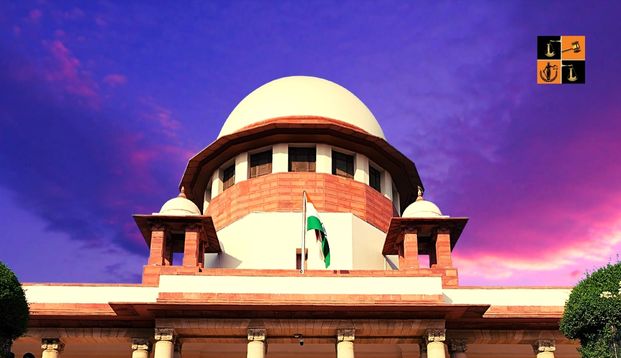
In a crucial move to ensure consumer grievances are not left unresolved, the Supreme Court addressed the difficulties faced by several smaller States and Union Territories in constituting full-fledged State and District Consumer Disputes Redressal Commissions due to low case pendency. The Court signalled urgent intervention to maintain access to justice while balancing administrative and financial constraints.
The controversy arose as States like Arunachal Pradesh, Sikkim, Tripura, Mizoram, and Manipur reported very low numbers of pending cases, ranging from under 10 in Lakshadweep to around 316 in Tripura, making the constitution of full-time State or District Commissions financially burdensome. Several commissions were functioning without Chairpersons or only with part-time technical members, raising concerns over the efficacy of consumer redressal.
States argued that compliance with the Court’s earlier directions dated May 19, 2025, imposing full-time appointments, created disproportionate strain on the exchequer.
Invoking its powers under Article 142 of the Constitution, the Supreme Court directed that all pending complaints and appeals be handed over to the Registrar General of the respective High Courts within two weeks. A learned Single Judge of the High Court will act as Chairperson of the State Commission for adjudication, joined by existing Technical Members, with a target to resolve matters within three months. The Court emphasised proper composition in accordance with the rules, including mandatory inclusion of a woman Member.
Observing the delicate balance between justice and practicality, the Court noted, “With low pendency, it is appropriate to provide an alternative mechanism ensuring complaints are not rendered otiose.” Interlocutory applications for modifications in earlier directions were listed for February 26, 2026.
Picture Source :




















