









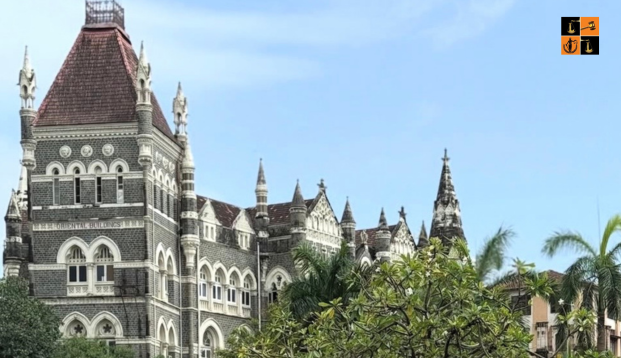
Recently, the Bombay High Court offered an important clarification on what constitutes an offence under Section 294 of the Indian Penal Code, observing that the mere use of abusive or humiliating language, however offensive it may sound, does not automatically amount to obscenity punishable under the law.
The case arose from a criminal writ petition filed by a Bhandara-based man who had been charged under Section 294 IPC along with Section 3 of the Prevention of Damage to Public Property Act. He was accused of smashing glass panes, damaging a television with a rod, and abusing the principal of a government college, allegedly causing damage worth Rs.1 lakh. Both the judicial magistrate and the Sessions Court had earlier refused to discharge him from the said charges.
The Petitioner argued that the ingredients necessary to attract Section 294 IPC were not fulfilled, as there was no evidence to show that his alleged utterances were obscene or that they caused annoyance to anyone. The prosecution, on the other hand, relied on witness statements, including those of some women officers, to support the charge.
Justice M.M. Nerlikar observed that for an offence under Section 294 IPC, both “obscenity” and “annoyance” must be established through clear evidence. The Court noted that the statements recorded by the investigating officer did not indicate that anyone was annoyed by the alleged utterances, nor did they demonstrate any element of obscenity. The judge also remarked that the accused’s actions seemed to stem from frustration over non-payment of his retirement benefits, as reflected in the FIR.
The Court held that no prima facie case was made out under Section 294 IPC and quashed the lower courts’ orders refusing to discharge the Petitioner from that charge. However, it allowed the trial to continue with respect to the other sections invoked against him.
Disclaimer: This news/ article includes information received via a syndicated news feed. The original rights remain with the respective publisher.
Picture Source :




















