









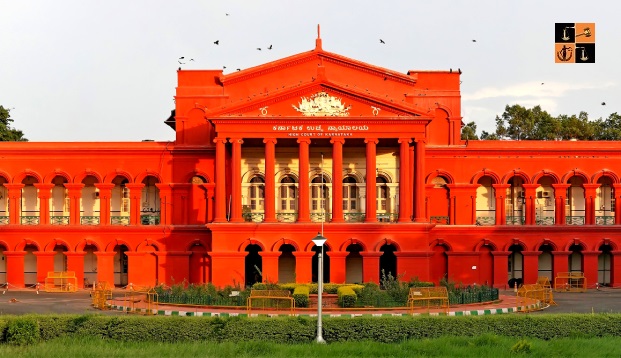
Recently, the Karnataka High Court has stayed the enforcement of the State Government’s notification mandating one day of paid menstrual leave every month for all permanent, outsourced, and contractual women employees working in registered industrial establishments. Issuing the interim order on December 9, Justice Jyoti M directed that, “The Government Advocate to accept notice for the respondent, there shall be an interim order as prayed for, liberty to seek modification of the order. Government to file a statement of objections relist after winter vacation.”
The case stemmed from a petition filed by the Bangalore Hotels Association along with the Management of Avirata AFL Connectivity Systems Limited, challenging the State’s notification mandating compulsory menstrual leave across industrial establishments. According to the petition, the Association currently represents around 1,540 member establishments. It asserts that existing labour legislations already regulate employee welfare, service conditions, and leave entitlements, including provisions relating to leave with wages, weekly holidays, and working hours, leaving no basis for the State to introduce an additional category of paid leave through an executive directive.
The counsel of the Petitioner submitted that the State had issued an executive direction mandating menstrual leave without any statutory foundation. Emphasising that the industries concerned already operate under detailed labour codes, the petitioners argued, “My submission is that the statutes under which the industries operate provide comprehensive leave policy. None of the statutes has got any provisions mandating menstrual leave.”
The Petition further states that laws such as the Factories Act, Karnataka Shops and Commercial Establishments Act, Plantations Labour Act, Beedi and Cigar Workers (Conditions of Employment) Act, and the Motor Transport Workers Act collectively provide leave entitlement up to 12 days annually. It was additionally argued that the notification was issued without stakeholder consultation and in violation of principles of natural justice, and that compelling paid menstrual leave would result in additional financial burden on employers.
The Bench queried whether the government had invited responses from affected employers before issuing the notification. The Petitioner’s counsel confirmed that no such consultation had taken place. The Court thereafter proceeded to grant interim relief while permitting the State to respond by filing objections.
Lastly, while granting interim protection, the Court stayed the operation of the notification and allowed the petitioners liberty to seek modification at a later stage. The matter is expected to be listed after the winter vacation, following the State’s filing of objections. The prayer in the petition includes quashing the notification as unconstitutional and beyond the scope of Article 14 of the Constitution.
Disclaimer: This news/ article includes information received via a syndicated news feed. The original rights remain with the respective publisher.
Picture Source :




















