









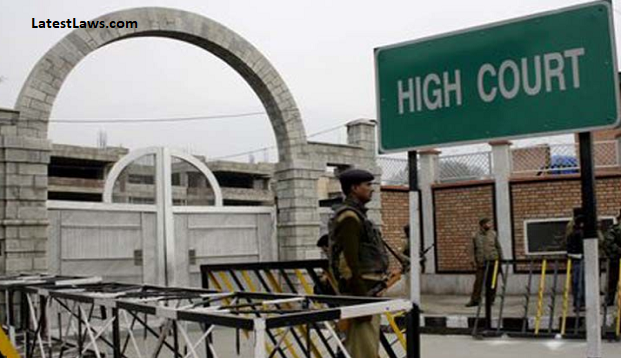
The High Court of Jammu And Kashmir at Shrinagar recently comprising of a single bench of Justice Rajnesh Oswal observed Whether further investigation should or should not be ordered is within the discretion of the learned Magistrate who can exercise such discretion on the facts of each case and in accordance with law.(Ghulam Hassan Sofi & Anr. V. State of JK)
Facts of the case
The petitioner was accused of offenses under section 5 (2) PC Act read with 109 RPC on the ground that the petitioner is in possession of disproportionate assets. The matter was heard before the learned trial court, who passed an order and directed further investigation.
Contention of the Parties
Mr. Haqani, learned senior counsel has vehemently argued that the order of further investigation can be passed only when the new facts are brought to the notice of the trial court after the filing of charge- sheet. He further contended that the learned Magistrate had only three options when the challan was filed, i.e. (1) accept the report and take cognizance of the offences and issue process, (2) may disagree with the report and drop the proceedings or (3) may direct further investigation under section 156 (3) and require the police to make a further report. So, he contended that once the court had issued a process, direction for further investigation could not have been issued by the learned trial court.
Mr B.A. Dar, learned Sr. AAG has vehemently argued that the learned Magistrate has powers to order further investigation under section 156 Cr.P.C even at post-cognizance stage.
Court's Observation and Judgment
The court referred to the Supreme Court judgement in Apex Court in the case titled Vinubhai Haribhai Malviya v. State of Gujarat, wherein the following observations were made,
“To say that a fair and just investigation would lead to the conclusion that the police retain the power, subject, of course, to the Magistrate’s nod under Section 173(8) to further investigate an offense till charges are framed, but that the supervisory jurisdiction of the Magistrate suddenly ceases midway through the pre-trial proceedings, would amount to a travesty of justice, as certain cases may cry out for further investigation so that an innocent person is not wrongly arraigned as an accused or that a prima facie guilty person is not so left out. There is no warrant for such a narrow and restrictive view of the powers of the Magistrate, particularly when such powers are traceable to Section 156(3) read with Section 156(1), Section 2(h) and Section 173(8) CrPC, as has been noticed herein-above, and would be available at all stages of the progress of a criminal case before the trial actually commences. It would also be in the interest of justice that this power be exercised suo motu by the Magistrate himself, depending on the facts of each case.”
Considering the facts of the case and the earlier precedents the court held that, further investigation can be ordered suo-motu by the Magistrate himself depending upon the facts of each case. The magistrate can exercise such discretion on the facts of each case and in accordance with law. As in the case the learned trial court has given the cogent reasons while ordering the further investigation, the same was held to be within the power of the court. Thus dismissing the petition.
Read Judgment @Latestlaws.com
Share this Document :Picture Source :




















