









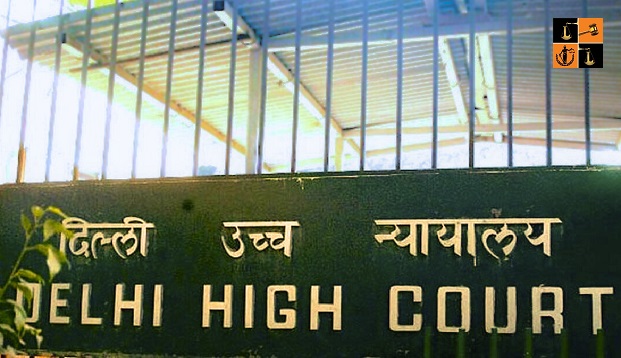
On Tuesday, the Delhi High Court observed that there remained little scope for further intervention in a series of petitions seeking action against political leaders accused of delivering inflammatory speeches preceding the North-East Delhi riots of 2020. The Division Bench of Justice Vivek Chaudhary and Justice Manoj Jain remarked that with multiple FIRs already registered, questions concerning the fairness of investigation must be placed before the appropriate trial court rather than pursued through writ petitions.
The case arose from a batch of petitions filed in the aftermath of the North-East Delhi riots, all seeking diverse directions connected to the violence that unfolded during protests against the Citizenship Amendment Act (CAA) and the National Register of Citizens (NRC). The petitioners alleged that speeches delivered by various political leaders had incited the disturbances, which claimed more than fifty lives.
The petitions were instituted by Jamiat Ulama-i-Hind, Shaik Mujtaba Farooq, Lawyers’ Voice, CPI(M) leader Brinda Karat, and activist Ajay Gautam, among others. Their prayers included registration of FIRs against specific political figures, court-monitored investigations by a Special Investigation Team (SIT), and even a probe by the National Investigation Agency (NIA). Although many of these petitions were filed shortly after the riots, they remained pending before the High Court for several years.
Petitioners such as Jamiat Ulama-i-Hind questioned the impartiality of the Delhi Police investigation and sought judicial intervention to ensure accountability for the alleged hate speeches. Other petitioners pressed for FIRs against leaders across political parties or requested specialised investigative oversight, citing concerns that the existing probe had not adequately addressed their allegations.
The Delhi Police submitted that FIRs had already been registered in connection with the violence and investigations were ongoing. Counsel appearing for the police stated that updates on the number of cases and progress of the probe would be made available to the Court as directed.
The Bench observed that, since FIRs had already been registered and investigations were underway, the writ petitions could not proceed on the assumption that the police had failed to initiate action. It conveyed that the matters raised in the petitions no longer required examination at the writ stage in light of the ongoing inquiry.
The Court responded to the concerns raised about the impartiality of the investigation by making it clear that such issues must be addressed before the trial court. It indicated that questions relating to factual disputes fall within the jurisdiction of the Magistrate, not the High Court in a writ petition, and suggested that the petitioners may withdraw their pleas and pursue appropriate remedies before the lower court.
The Bench further directed counsel for the Delhi Police to furnish data regarding the number of cases filed and the status of their investigation.
In light of the foregoing discussion, the Bench adjourned the matter and directed the Delhi Police counsel to submit details on the registration and progress of riot-related cases. The petitioners were permitted to consider withdrawing their writ petitions to approach the trial court, where any dispute regarding the impartiality of the investigation could be raised.
Disclaimer: This news/ article includes information received via a syndicated news feed. The original rights remain with the respective publisher.
Picture Source :




















