









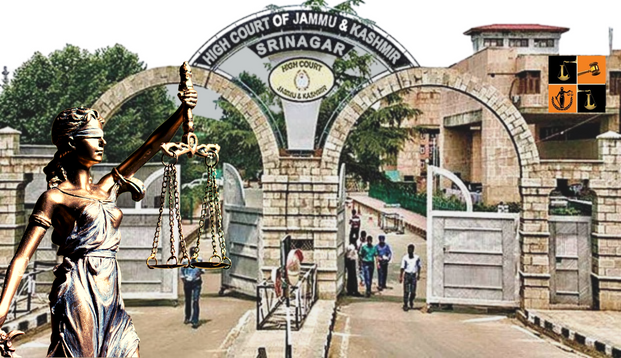
Recently, the Jammu & Kashmir and Ladakh High Court came down strongly on the Union Territory administration for withholding admitted contractual payments, holding that shortage of funds cannot be a ground to deny a contractor its lawful dues.
The case arose from a writ petition filed by a construction company seeking payment of outstanding amounts for works executed across various divisions in the Union Territory of Jammu & Kashmir. The Petitioner contended that it completed the allotted works within the stipulated timelines and submitted all requisite documents. While part payments were released, a sum of Rs. 1,47,48,361 remained unpaid despite repeated communications acknowledging the liability. The Petitioner also highlighted that it had availed bank loans to execute the works and was incurring recurring losses due to interest burdens. Even after a legal notice, the authorities admitted the liability but cited a lack of funds.
The Petitioner argued that the withholding of admitted dues was arbitrary and unjustified, particularly when the work had been completed to the satisfaction of the authorities and liability stood acknowledged in official communications.
The Respondents contended that certain works were executed in excess of the sanctioned scope and allegedly without proper administrative approval, and therefore payment could not be released.
The Court observed that governmental contractual obligations must meet constitutional standards of fairness and reasonableness. It noted that a contractor cannot be expected to ensure administrative or technical sanctions before executing work allotted by the department. The Court found that official records and correspondence clearly showed ratification of the work and repeated admissions of liability, with non-payment attributed only to paucity of funds an excuse the Court found unacceptable.
Allowing the petition, the High Court directed the Respondents to liquidate the admitted liability of Rs.1,47,48,361 along with interest at 6% per annum within six weeks from the date the judgment is made available.
Picture Source :




















